
Gravel cycling shoes: SPD, laces or BOA


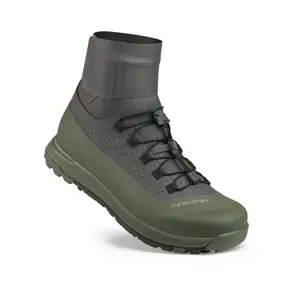


Gravel cycling shoes must transfer your effort for hours on end while still letting you walk when the track gets steep or a break is due. Choose a model compatible with two-bolt SPD cleats and a lugged sole, then a closure that suits your foot, laces or a dial. Winter overshoes are also on this page.
What should you expect from a gravel shoe?
Gravel riding mixes tarmac, dirt tracks, stony paths and sections where you sometimes have to push the bike. The gravel shoe answers that mix: stiff enough to pedal efficiently over long distances, flexible and lugged enough to walk without slipping, and comfortable enough to wear all day, on a bikepacking trip as on an event of around a hundred kilometres. It borrows its recessed cleat and rubber sole from mountain biking, and its precise hold and understated look from road cycling.
Two-bolt SPD cleats: why are they the gravel choice?
The vast majority of gravel shoes take two bolts, as in mountain biking, and fit SPD or compatible pedals. The small metal cleat sits in a recess in the sole: it does not touch the ground when you walk and copes well with mud. The matching pedals engage on both sides, which makes it easier to unclip on tricky sections and to clip back in on a climb. The three-bolt road system, wider and more stable, is best kept for rides almost entirely on tarmac: its protruding cleat makes walking slippery and wears quickly on stones.
Sole, upper, closure: what sets models apart
- The sole: reinforced nylon for more forgiveness and walking comfort, glass fibre or carbon for more power transfer. Rubber lugs grip wet rock better than hard plastic ones, and some models accept screw-in toe studs for deep mud.
- The upper: synthetic for durability, leather for comfort, or knitted for ventilation and lightness, at the cost of less protection from the rain.
- The closure: laces give a relaxed look and spread the tension across the whole foot; a dial can be adjusted on the move, with one hand; hook-and-loop straps remain simple and light.
- Protection: a waterproof membrane, a high collar or a reinforced toe for winter rides and overgrown tracks.
Shoe size, wide feet and cleat position
Try your shoes on with the socks you wear on the bike, at the end of the day, when your feet have swollen a little, as they will over a long ride. Your toes should move freely without your heel lifting. Several brands offer wide versions, or women's lasts with a narrower heel and less volume. Then place the cleat under the joint of your big toe, aligned with the natural angle of your foot, and fine-tune it over your next rides.
Rain and cold: winter shoes and overshoes
In winter, gravel riding exposes your feet to water thrown up by the front wheel and to the wind. Two solutions coexist. Winter shoes, often high-cut, include a waterproof membrane and an insulating lining. Overshoes slip over your usual shoes: in neoprene for the cold, in water-repellent fabric for the rain, they need an opening under the sole that clears the lugs and the SPD cleat. For cool spring and autumn rides, simple toe covers are often enough.
The rest of your gravel gear
Gravel bib shorts and gravel jackets complete the outfit for long days, and gloves protect your hands from vibration. For more technical rides on singletrack, mountain bike shoes offer more protection; on tarmac, road cycling shoes focus on stiffness. All the equipment is gathered in gravel gear.
Which gravel shoe brands should you choose?
Shimano devotes its RX family to gravel: the RX6 combines a BOA dial and a strap with a carbon fibre reinforced nylon sole, lugged for walking, and the RX910 sits at the top of the family.
Quoc has redesigned the sole of its Gran Tourer III, made for gravel and touring, with a hybrid rubber that grips better and is more comfortable to walk in, around a glass fibre plate.
Lake fits all its gravel shoes with a carbon sole and rubber lugs for SPD cleats; the MX239 Gravel closes with two BOA dials and comes in a wide version, the MX239-X.
Fizik reserves its Terra Artica GTX for winter: an insulated Gore-Tex membrane, a fleece lining, a BOA dial you can turn with thick gloves and an ankle strap.
DMT builds its GK1 with a fully knitted, highly breathable upper, closed by integrated laces reinforced against mud, on a Michelin sole.
Gravel shoes on sale
Replaced colours and end-of-line models go to the road outlet, where shoes suited to gravel also turn up; models that have just arrived are presented in new arrivals. The winter sales leave time to break in a new pair before the first events of the season.
Frequently asked questions
Can you ride gravel in road cycling shoes?
On smooth tracks, with no carrying, it is possible if your bike has road pedals. But the three-bolt cleat sticks out from the sole: it slips on stones, gets damaged quickly and makes every stop uncomfortable. As soon as your rides include sections on foot, a gravel shoe with a recessed cleat is far better suited.
Laces or a dial: which is better for gravel?
Laces spread the pressure without hot spots and appeal for their look, but they are adjusted before you set off and need tucking away so they do not catch in the drivetrain. A dial lets you adjust the fit on the move, loosen it on a long climb or tighten it before a descent. Over long distances, that flexibility often makes the difference.
Can you ride gravel with flat pedals?
Yes. Many riders, particularly bikepackers, prefer flat pedals and shoes with a flat, grippy sole, which walk like hiking shoes and let you put a foot down at any time. Pedalling efficiency is slightly lower on climbs, but your freedom of movement is total. This page also offers shoes for flat pedals.
How stiff should a gravel shoe sole be?
For racing and fast rides, a very stiff carbon sole transfers your effort better. For touring and long days with sections of carrying, a more flexible nylon or glass fibre sole spares your feet and makes walking more natural. Many brands give a stiffness index that helps compare their own models.
How do you clean your shoes after a muddy ride?
Let the mud dry and then brush it off, or rinse with lukewarm water without harsh detergent. Remove the insole and let the shoes dry in the open air, away from a radiator, with newspaper inside to soak up the moisture. While you are at it, check that the cleat bolts are tight and how worn the lugs are.







