
Gravel court gloves, long and winter




Gravel gloves dampen the vibrations that the trails transmit to the handlebars, maintain grip when dust, sweat or rain come into play, and protect the palms in case of a slip on the gravel. Choose short and breathable gloves for summer, long gloves for overgrown paths and cool mornings, and an insulated pair for winter.
Why wear gravel gloves?
On gravel, your hands work harder than on the road. Every stone is felt in the handlebars, you often hold the lower part of the handlebars to control the bike on descents, and rides last for hours. Proper gloves reduce hand fatigue, prevent blisters from forming in the same spot, and provide a solid grip when the grips get slippery. They also offer protection: on a loose surface, the front wheel can slip, and the reflex of putting your hand down can quickly be a problem without a protected palm.
Cushioning and vibrations: what padding for trails?
The repeated vibrations from the trails tire your hands much more than a smooth road. Padding placed in the right spots mitigates this, as long as it’s not too thick: an overly padded glove moves on the palm and reduces feeling in the handlebars during technical sections. Gravel gloves strike this balance with various densities of foam, spread around the pressure points, or gel inserts.
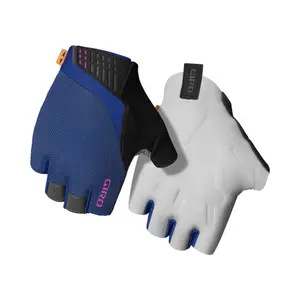
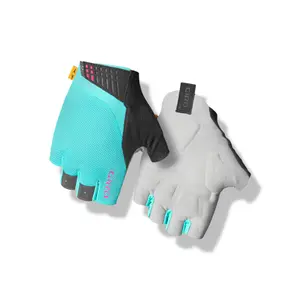
Giro has, for instance, developed the seam-free molded palm of its Supernatural with Elastic Interface, using multi-density foam, suitable for road and mixed surfaces. Also consider the rest of the chain: a thick bar tape, wider tyres inflated less, and frequent position changes on the handlebars help as much as the glove.
Short or long: choose based on terrain and weather
- Short gloves: the go-to for warm weather. The mesh back wicks away heat and the palm remains thin to keep the feeling of the handlebars.
- Light long gloves: they cover the fingers from branches, sun, and abrasions in case of a fall, without getting too hot. Many riders wear them year-round on trails.
- Mid-season gloves: a windproof fabric on the back of the hand for chilly starts and descents, thin enough not to make you sweat uphill.
- Winter gloves: insulation and a waterproof membrane for rides where mud and humidity cool the hands as much as the temperature.
Grip, dust, and touchscreen
On the trails, dust settles on the bar tape and palms, sweat drips during climbs, and rain quickly turns a path into a muddy terrain. Treated palms for grip, with silicone patterns on the fingers or fine synthetic leather, maintain hold on the hoods and the lower part of the handlebars. Gravel riding often involves using a GPS track or map on your phone: gloves with a thumb and index finger that work on touchscreens prevent the need to take them off at every junction. Lastly, a sponge area on the thumb is handy for wiping sweat or glasses.
Size and fit for long days
A gravel glove should fit the hand without being too tight: over several hours, a too tight glove can numb the fingers, while a too loose glove creates creases that chafe and can lead to blisters. Try it in a riding position, hands closed on the handlebars, to check that the palm doesn’t bunch up and that your fingertips don’t touch the stitching. For winter, leave a little room to slide a thin liner glove underneath.
Road or MTB gloves: nearby pages
If you mostly ride on asphalt, road bike gloves prioritise lightness and a thin palm. MTB gloves, almost always long-fingered and often reinforced, are suitable for more challenging trails. Complete your outfit with gravel jackets for cool days and gravel glasses against dust, as part of the full gravel gear.
Which gravel glove brands to choose?
Giro offers the Supernatural, in short versions for men and women, as a glove for road and mixed surfaces: seam-free molded palm in multi-density foam, designed with Elastic Interface, textured and perforated for grip and ventilation.
Shimano also makes gloves for long rides: the Explorer Gel, long-fingered, merges a palm with gel inserts against vibrations and fingers compatible with touchscreens.
Supacaz designs the SupaG for all conditions and all terrains: ultralight Clarino palm, SiliGrip patterns for grip, seamless fingertip design, and thumb and index compatible with touchscreens, available in short or long versions.
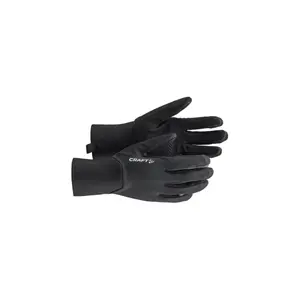
Craft dedicates the ADV Gravel to trail rides: a lightweight glove with a non-slip padded palm, designed for both road and trails.
Where to find discounted gravel gloves?
Gloves from collections that are changing go to the road clearance along with the rest of the textile. New models first appear in the new arrivals. A warm pair is often planned during the winter sales or Black Friday, and replacement short gloves during the summer sales.
Frequently asked questions
Short or long gloves for gravel?
Short gloves are enough for smooth trails in warm weather. As soon as the paths get tighter, brambles encroach, or the terrain becomes technical, light long gloves provide better finger protection. Many riders switch between them depending on the route.
Are padded gloves necessary for gravel?
A moderate padding is useful for long rides since vibrations accumulate over hours. Prefer well-placed inserts over thick padding everywhere, which would reduce the feeling of the handlebars. If your hands still suffer, also check your tyre pressure and position on the bike.
Do MTB gloves work for gravel?
Yes, especially lightweight long-fingered models that provide good protection on trails. Their palm may sometimes be thicker and less suited for hoods: check that you maintain a good grip on the brake levers in the lower part of the handlebars.
What gravel gloves for winter?
A long insulating glove with a windproof membrane, waterproof if you often ride in the rain or mud. The slower pace of gravel creates less wind than on the road: a glove that’s a bit less thick often suffices, preserving dexterity for braking and shifting.
How to maintain grip on a dusty or wet handlebar?
Choose a grip-friendly palm, with silicone patterns or fine synthetic leather, and wash your gloves regularly: dust and dried sweat can make the palm slippery. A clean and well-maintained bar tape also significantly improves grip.







