
MTB brake cables, outer casing and hoses
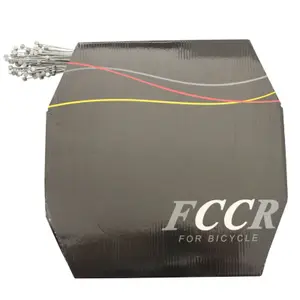
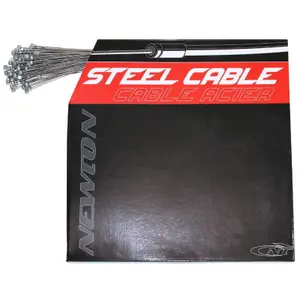
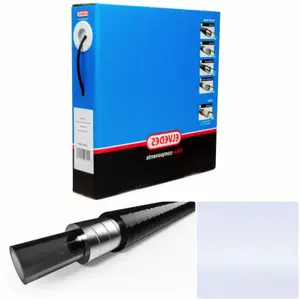
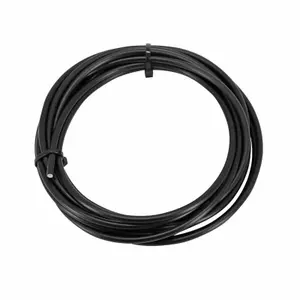
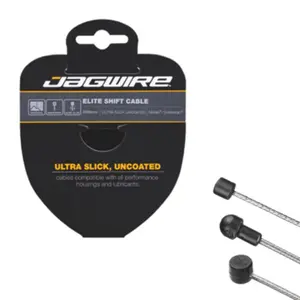
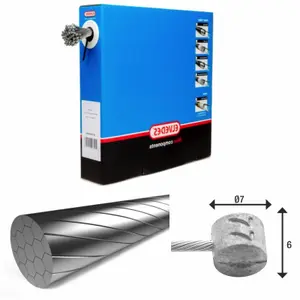

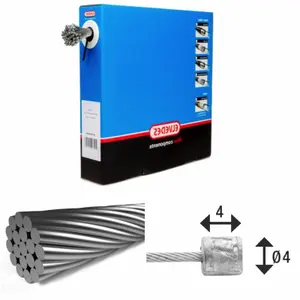
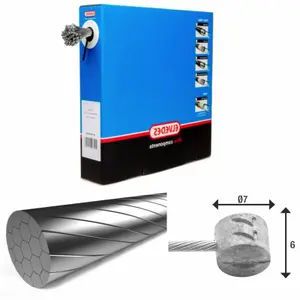
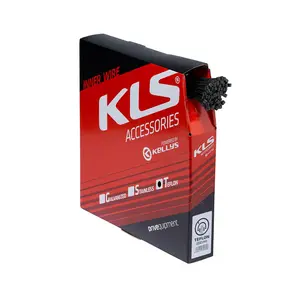
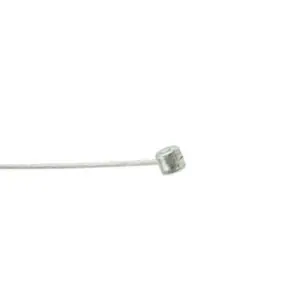

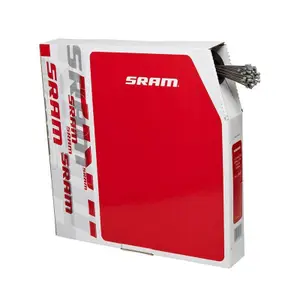
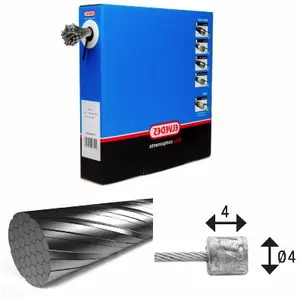

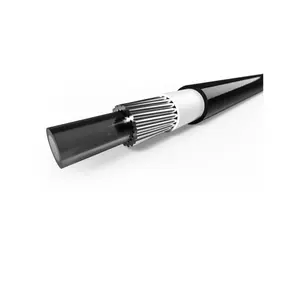
The MTB brake cable transmits the effort from the lever to mechanical brakes, V-brakes or cable disc brakes, through a spiral-wound brake outer casing, stronger than gear outer. On a hydraulic brake, the hose plays this role. Stainless or galvanised cables, outer casing, hoses, fittings, calliper pistons and cable guides are gathered here, individually or in workshop boxes.
Cable or hose: how does your mountain bike brake?
Most current mountain bikes use hydraulic disc brakes: the pressure from the lever reaches the calliper pistons through a hose full of fluid. The cable remains the rule on V-brakes, mechanical disc brakes, kids' bikes and many entry-level mountain bikes: made of steel, it pulls the brake arms or the calliper lever, while its outer casing takes the compression load. Cables and outer casing wear and are changed regularly; a hose is replaced after an impact, a cut or a change of frame.
Choosing an MTB brake cable
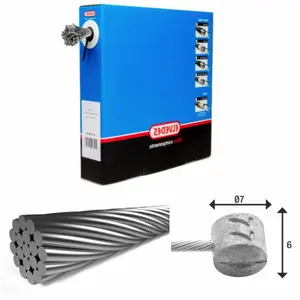
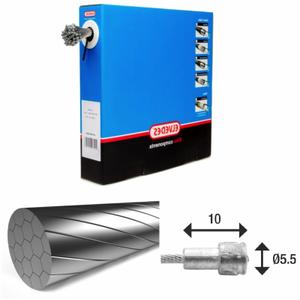
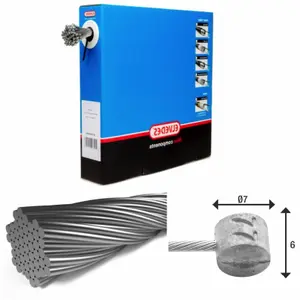
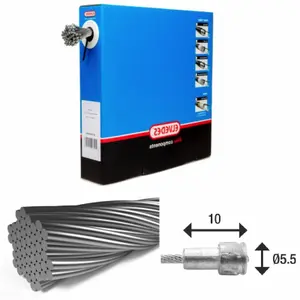
A brake cable is most often 1.5 or 1.6 mm in diameter, thicker than a gear cable. At one end, a nipple sits in the lever: barrel-shaped for MTB levers, pear-shaped for road levers. Some cables have both, the unused nipple being cut off when fitting. Stainless steel does not rust, galvanised steel is more affordable but copes less well with moisture, and polished or PTFE-coated cables slide with less friction. Lengths range from 1.7 m to more than 3 m, enough to reach the rear brake of a tandem. After tightening, cut off the excess and crimp on an end cap to prevent fraying.
Brake outer casing on a mountain bike: mud, suspension and internal routing
On a mountain bike, the outer casing works in mud and water, which get in at every break between two sections: a continuous run of outer from the lever to the brake limits this contamination. Its tightly wound steel spiral, 5 mm in diameter, lined with a slippery liner, takes hard braking; gear outer, more fragile in this role, never replaces it. On a full-suspension bike, leave enough length to follow the travel of the rear triangle, and in a frame with internal routing, guides stop the outer from rattling. Cut cleanly, reopen the liner, fit a ferrule at each end and keep the curves gentle.
Hydraulic hoses: replacement and bleeding
A hose is chosen according to the brake and its fluid: some, with Kevlar reinforcement and a PTFE lining, accept both DOT fluid and mineral oil. The fitting at the lever or calliper end varies between brands, hence the existence of adapters. To shorten a hose or route it through a frame, cut it square, replace the olive and the insert of the fitting, then bleed the circuit. Calliper piston and seal kits restore a calliper with a piston that sticks or leaks.
Levers, callipers and other cables
Cables and hoses connect MTB brake levers to MTB brake callipers or to V-brakes, whose pads are found in MTB rim brake pads. After a bleed, check the brake pads, which a single drop of fluid is enough to contaminate. For a road bike, see road brake cables and outer casing.
MTB brake cable and outer casing brands
Shimano supplies 1.6 mm MTB brake cables, individually or by the hundred, 5 mm outer casing up to 40 m rolls for workshops, and spare parts for its Deore brakes.
Elvedes, a Dutch maker of cables and brake parts, details every reference: 1.5 mm 19-strand stainless cables, Slick finish, nipples suited to the lever, 5 mm lined outer casing and a Kevlar hose compatible with DOT fluid and mineral oil.
Hayes, an American group from Mequon that makes brakes, suspension and wheels, offers piston kits to restore HFX-9, Dyno and Stroker Ryde callipers.
Velox, a Breton company from La Guerche-de-Bretagne, packs its galvanised or stainless brake cables in boxes of twenty-five, including for cantilever brakes.
Jagwire, a specialist in bicycle control systems, offers its Elite and Pro brake kits, hose kits for Shimano XTR brakes and adapters for the banjo fitting of Tektro brakes.
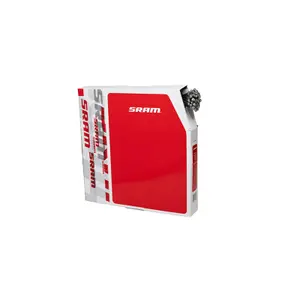
Sram completes its brakes with the Slickwire Pro MTB 5 mm cable kit, piston and seal kits for Level and Guide callipers, and calliper mounting kits.
Brake cables and outer casing on sale
Brake parts from replaced ranges join MTB brakes clearance, and products that have just arrived are presented in new arrivals. For a workshop or a club, boxes of a hundred cables and rolls of outer casing are the most practical formats.
Frequently asked questions
When should you change a brake cable?
As soon as a strand frays, it rusts or the lever struggles to return to position. Take the opportunity to change the outer casing, often clogged or crushed in the same place, then adjust the cable tension.
Can you use gear outer casing for a brake?
No. Gear outer, made of parallel strands, is designed for precise shifting, not for the load of braking. Always use spiral-wound brake outer.
Stainless or galvanised cable?
Stainless steel resists corrosion better and stays smooth for longer, a real asset in mountain biking where mud and water get in. Galvanised suits a bike that is rarely used or stored somewhere dry.
Should you lubricate a brake cable?
With lined outer casing and a stainless cable, it is generally not necessary. Outer casing without a liner can be lubricated with a few drops of light oil, never with thick grease that traps dust.
How do you shorten a hydraulic brake hose?
Cut it square with a hose cutter, fit a new olive and insert, then tighten the fitting to the specified torque. Then bleed the brake to remove the air that got in during the operation.







