
MTB brake pads: organic and sintered
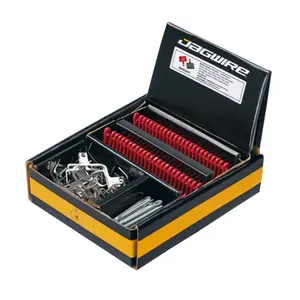
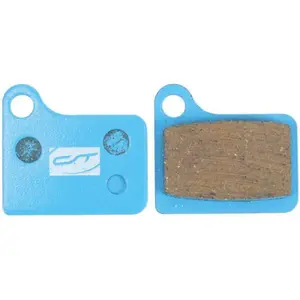
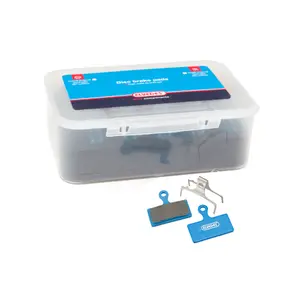
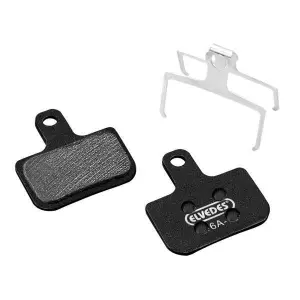
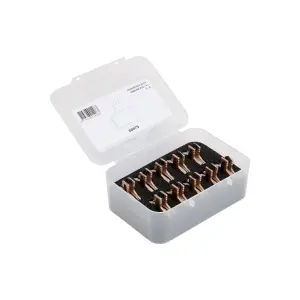
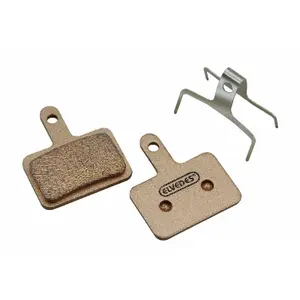
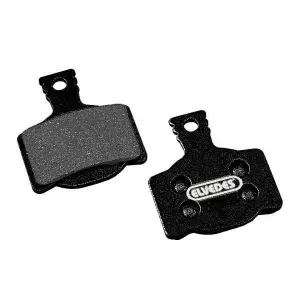
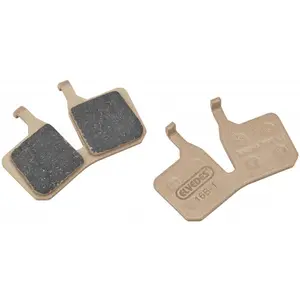
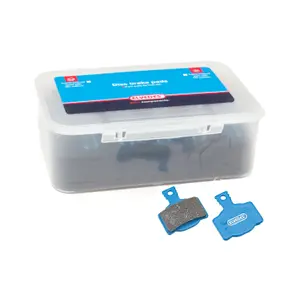
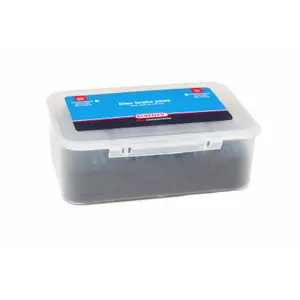
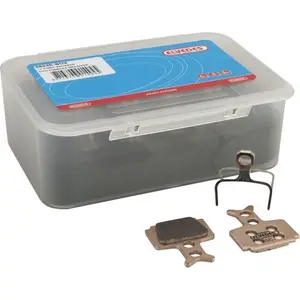
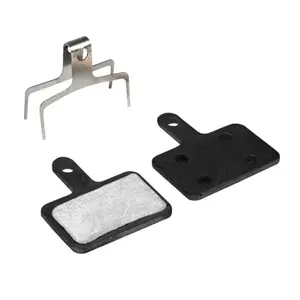
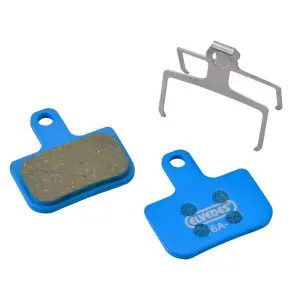
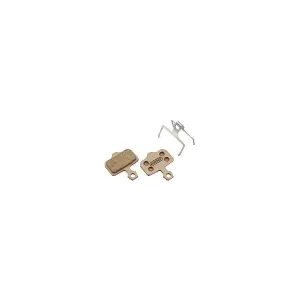
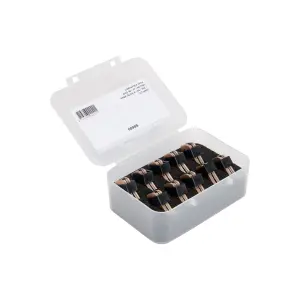
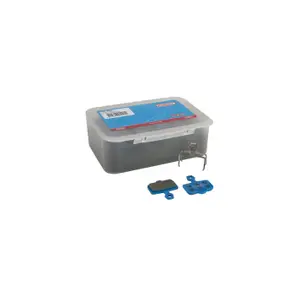
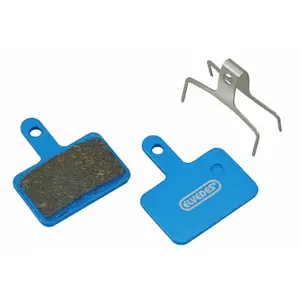
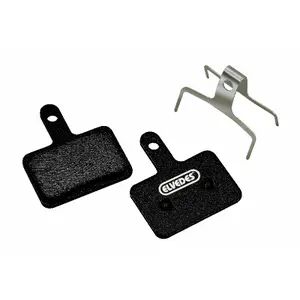
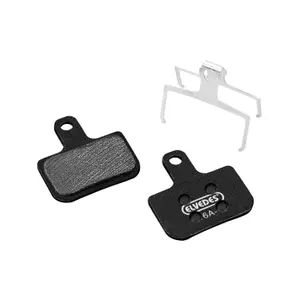
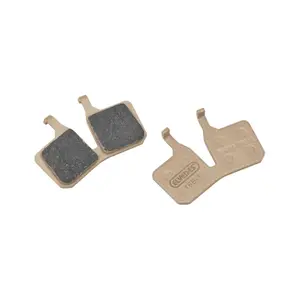
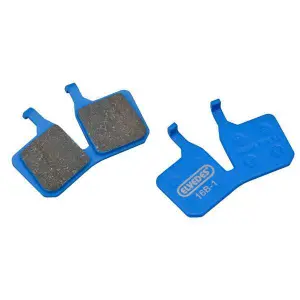
MTB brake pads are chosen first by their shape, specific to each calliper, then by their compound: organic for bite and quiet braking in cross-country, sintered for endurance on descents, in mud and on an e-MTB, semi-metallic in between. Identify the model of your brake, Shimano, Sram, Magura, Hope or Hayes, and the matching reference. Single sets and workshop boxes are gathered here.
Which compound for your kind of mountain biking?
In mountain biking, braking faces stresses that the road does not: descents lasting several minutes, abrasive mud, water, the weight of an e-bike. The compound of the pad material is chosen according to these conditions:
- Cross-country and trail rides on dry ground: an organic compound offers immediate bite and quiet braking, without having to cope with high heat.
- All-round trail riding: a semi-metallic or reinforced organic compound combines good bite with better heat resistance.
- Enduro, downhill and mountains: sintered pads, made of bonded metal particles, keep their power when the brake heats up and wear less in mud.
- E-MTB: its weight and speeds push the temperature up; a sintered pad or a compound designed for e-bikes holds up better.
When a pad overheats, its power drops in the middle of a descent: this is brake fade. Finned backing plates, which dissipate heat before it reaches the calliper, and larger rotors delay it.
One pad shape per calliper
Mountain bike brakes come in many pad shapes: the same manufacturer uses one pad for its two-piston callipers and another for its four-piston callipers, and some four-piston callipers even take four separate pads, one per piston. Older brakes, such as the Hayes Stroker or the Magura Louise, are still catered for. Note the model engraved on the calliper, then choose the reference given on each product page. The pad spring and the retaining pin must stay in good condition.
How do you change mountain bike brake pads?
Remove the wheel, then the retaining pin or clip, and take the pads out with their spring through the top or bottom of the calliper depending on the model. Push the pistons back to the bottom of their bores with a plastic tyre lever, never with a screwdriver that would scratch them. Slide in the new pads and their spring, refit the pin, refit the wheel and pull the lever several times to bring the pistons back out. If the lever travel stays long, a bleed is needed.
Bedding in your pads before the first descent
A new pad only reaches full power once it has been bedded in. Choose a smooth, open track, get the bike rolling, then brake progressively down to walking pace without locking the wheel, and repeat several times for each brake, following the manufacturer's instructions. Avoid heading straight into a steep descent with new pads. A splash of chain lube or of fluid during a bleed makes a pad slippery and noisy: it has to be replaced.
Levers, callipers and MTB brake parts
A lengthening lever travel often comes from worn pads, but can also point to a problem with an MTB brake lever or a calliper. Hoses and hydraulic kits are gathered on the brake cables, outer casing and hoses page, and V-brake pads in rim brake pads. All these parts are grouped in MTB brakes.
Which MTB brake pad brands should you choose?
CL Brakes, a French maker of pads for motorcycles, scooters and quads, based in Gennevilliers, devotes a sintered metal range to mountain biking, available for Hope, Hayes, Magura or Formula callipers.
Elvedes, a Dutch parts supplier for workshops, offers its organic, metallic or carbon-metallic pads in boxes of ten pairs, for Shimano, Magura or Sram.
Galfer, a Spanish brand from Granollers specialising in high-performance braking for motorcycles as well as bicycles, makes pads for Sram Maven, Magura Gustav or Formula Oro callipers.
Clarks Cycle Systems, based in Derby, England, offers its pads in organic, VRS semi-metallic or sintered versions, up to a Kevlar version for Formula brakes.
Shimano supplies the original pads for its brakes, in resin or metal, some with ICE-Tech cooling fins, such as the J04C, H03C or N04C.
Hayes, an American group that produces brakes, suspension and wheels, offers the T100 and T106 pads for its Dominion brakes, in two and four-piston versions.
MTB brake pads on sale
Pads and brake parts from replaced ranges move to MTB brakes clearance, and recent arrivals appear among new arrivals. If you often ride in mud, a workshop box saves you from running out of pads at the wrong moment.
Frequently asked questions
Why do my brakes fade on long descents?
The pad and the fluid overheat when you drag the brakes. Instead, brake hard and in bursts, before corners, and release in between. If the problem persists, switch to a sintered compound, larger rotors or four-piston callipers.
Why do my disc brakes squeal?
Incomplete bedding in, contaminated pads, a poorly centred calliper or a bent rotor are the most common causes. Sintered pads are also naturally noisier, especially in the rain.
Do you need special pads for mud?
Mud acts as an abrasive: an organic compound can disappear in a few wet rides. Sintered pads wear more slowly in these conditions. Rinse the calliper with clean water after a muddy ride, without harsh degreaser.
Can you use different compounds front and rear?
Yes, many riders fit sintered pads at the front, which does most of the braking, and organic pads at the rear, which are easier to modulate. The two pads in the same calliper must, however, be identical, and each rotor must accept the chosen compound.
Do you need to bleed the brake after changing the pads?
Generally not: pushing the pistons back simply sends the fluid back up into the lever reservoir. A bleed becomes necessary if the lever stays spongy or its travel remains too long despite the new pads.







