
Seatposts: dropper, suspension or rigid
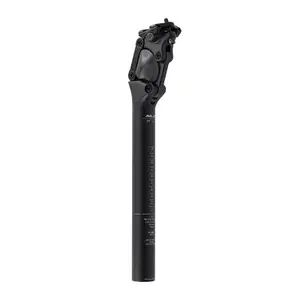
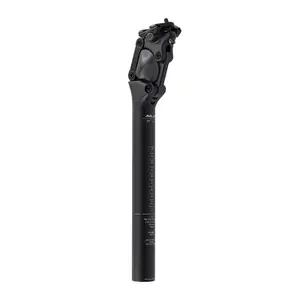
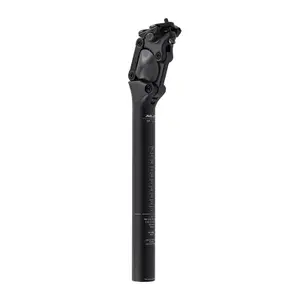
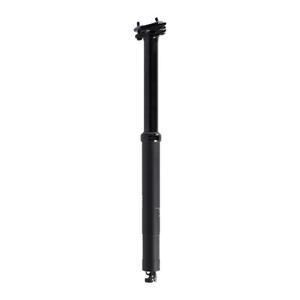


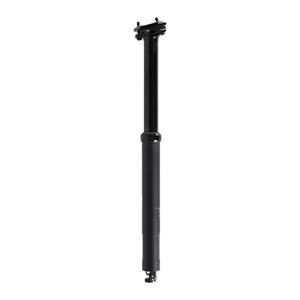


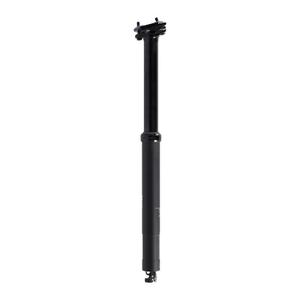


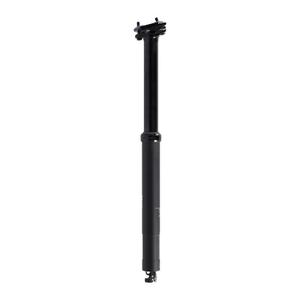
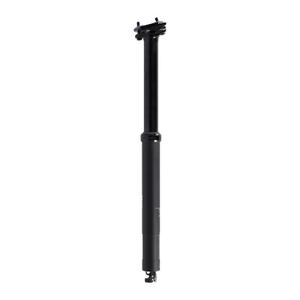
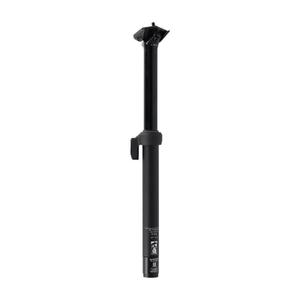


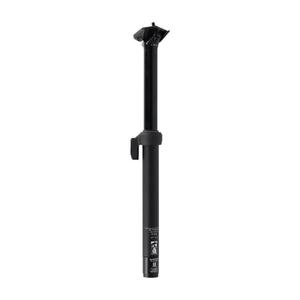
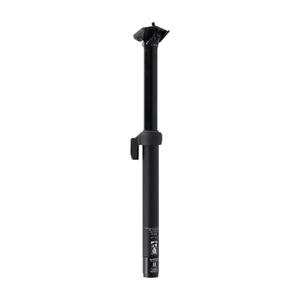

A seatpost is chosen first by the exact diameter of your frame's seat tube, measured to a tenth of a millimetre. Then come the length, the setback and the type: rigid on the road, suspension for comfort around town, dropper to lower the saddle on a mountain bike or gravel bike without getting off. Shims, service kits and dropper post parts complete the selection.
Rigid, suspension or dropper post: which seatpost for your riding?
Slotted into the seat tube, the seatpost carries the saddle and sets your pedalling height. Its type depends on what you expect from it.
- Rigid: in aluminium or carbon, it is the lightest and simplest option, on the road, on gravel or on a city bike. In BMX, Pivotal seatposts take a saddle of the same standard, held by a single central bolt.
- Suspension: a spring built into the shaft, on so-called telescopic models, or a parallelogram linkage under the saddle absorbs cobbles, potholes and kerbs. The spring is chosen according to the rider's weight.
- Dropper: the saddle drops at the push of a remote on the handlebar, then rises again on its own. On a mountain bike, it frees up the space you need to shift your hips back on descents; on gravel, short-travel versions keep the road feel.
Diameter, length and setback: the three measurements to note
The diameter is engraved on the shaft of your current seatpost, often near the insertion mark. The most common sizes are 27.2 mm on road and gravel bikes, 30.9 and 31.6 mm on mountain bikes, and 34.9 mm for some dropper posts. Older bikes use less common sizes, from 25 to 29.8 mm. A thinner seatpost can fit into a wider tube with a seatpost shim; the reverse is impossible, and a seatpost that is forced in damages the frame.
The length must allow your saddle height while leaving the seatpost inserted beyond the minimum insertion mark. Setback moves the saddle clamp back by about 15 to 25 mm, while an inline seatpost places it directly above the shaft: it is chosen according to your position over the pedals, once the adjustment on the saddle rails has run out.
Dropper posts: remote, cable routing and maintenance
The remote sits on the handlebar and operates the post by cable, by hydraulic circuit or wirelessly, with a battery. Internal routing runs the outer cable through the seat tube and requires a frame designed for it; external routing suits other frames. For the travel, measure the space available between the seat clamp and the rails in pedalling position, then the insertion depth the frame allows: the longest travel that respects both limits is generally the right one.
A dropper post is maintained like a small suspension unit: clean the shaft after every muddy ride, have the seals and cartridge checked at the manufacturer's intervals, and replace guide bushings or the cable with the spare parts designed for your model.
Fitting and tightening without risk to the frame
On an aluminium or steel frame, a thin layer of grease stops the seatpost from seizing. On a carbon frame or seatpost, use carbon assembly paste, which improves grip without grease, and tighten the seat clamp with a torque wrench to the stated torque. A worn or under-tightened seat clamp lets the saddle slip down as you ride.
Saddles, stems and seatposts for other disciplines
A new seatpost is a chance to review your seat among our saddles, and your position with our stems and handlebars. Seat clamps and small parts are in our cockpit and seatpost spare parts. Off-road models are also gathered in our MTB seatposts, and Pivotal seatposts in our BMX seatposts. All the parts are presented in our components section.
Seatpost brands
Kalloy Uno, a range from the Taiwanese manufacturer Kalloy, offers rigid aluminium seatposts in many diameters, from 25 to 29.8 mm, handy for finding the original size for an older city bike or mountain bike.
XLC, a brand of the German Winora group, offers the SP-T21 dropper post in 30.9, 31.6 and 34.9 mm, with travel from 70 to 200 mm, and the SP-S07 suspension seatpost, available according to the rider's weight.
Suntour fits its NCX seatposts with parallelogram suspension offering 50 mm of travel, adjustable for preload and also designed for e-bikes.
Rockshox, the SRAM group's suspension brand, offers the Reverb AXS XPLR: a 27.2 mm gravel dropper post, operated wirelessly, whose air spring also filters vibrations.
Ergotec, the brand of the German manufacturer Humpert, focuses on everyday comfort, with the VTC City telescopic suspension seatpost and rigid aluminium seatposts such as the Atar or the Patent.
Fox Factory designs the Transfer, an MTB dropper post whose Factory version receives the gold Kashima coating, and supplies its service parts, such as guide bushings and the cable.
Seatposts at reduced prices
End-of-line seatposts are found with the other bike parts on clearance; brand-new references are presented in new arrivals. Black Friday and the seasonal sales are a chance to move to a dropper post.
Frequently asked questions
How do you find out your seatpost diameter?
Take the seatpost out of the frame: the diameter is engraved on the shaft, often next to the minimum insertion mark. If it has worn off, measure the seatpost with callipers or check the frame's specifications. A difference of a few tenths of a millimetre is enough to make a seatpost unusable.
How do you free a stuck seatpost?
Fully loosen the seat clamp, apply penetrating oil at the joint with the frame and leave it to work for a long time, several times if necessary. Then twist the saddle in small movements rather than pulling it out in one go. On a carbon frame, or if nothing moves, take the bike to a workshop to avoid the risk of a crack.
Can you fit a thinner seatpost with a shim?
Yes, a shim fills the gap between a thinner seatpost and a wider seat tube, for example a 27.2 mm seatpost in a 30.9 or 31.6 mm frame. Check that the seatpost manufacturer allows it, especially for a dropper post.
Do you need a seatpost with or without setback?
It all depends on your position: a setback seatpost suits riders who need to move the saddle back beyond the adjustment on the rails, an inline seatpost those who ride in a forward position, on a triathlon bike or a modern mountain bike. Do the adjustment with your current seatpost before changing it.
Which suspension seatpost for an e-bike?
Choose a model designed for this use, with a spring that matches your weight. Parallelogram seatposts such as the Suntour NCX are stated as compatible with e-bikes and only need enough exposed seatpost length above the frame.







