
Road bike cassettes and chains, 11 and 12-speed
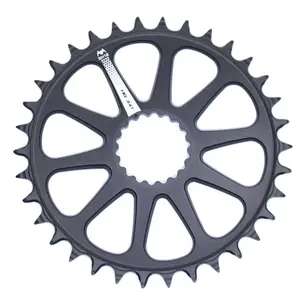
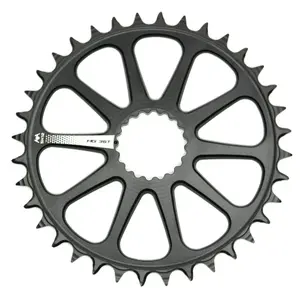


To choose a road bike cassette, start from what your bike already has: how many speeds the drivetrain has, which freehub the wheel is fitted with, then which range suits you, close ratios for flat roads or wider ones for the mountains. The chain, which wears along with the cassette, must have the same number of speeds. Shimano, Sram, Campagnolo and compatible cassettes and chains, from 9 to 13-speed, are gathered here with their quick links.
Why choose your cassette and chain together?
On a road bike, the chain and the cassette sprockets work constantly against each other: as the chain stretches, it wears the teeth, which take on its shape. A new chain fitted to a tired cassette skips or slips as soon as you push hard, and a new cassette fitted with an old chain wears out prematurely. The two parts also have to speak the same language: the same number of speeds, and a chain designed for the brand of your drivetrain when the drivetrain requires it.
Road bike cassette sizes: which range?
An 11-30 cassette goes from an 11-tooth sprocket to a 30-tooth sprocket: these two figures sum up its range. The smaller the gap, the more closely the sprockets follow one another and the easier it is to find your ideal cadence on the flat; the bigger the largest sprocket, the more accessible steep gradients become.
- Flat, fast routes: close ratios such as 11-25 or 11-28, or even 11-21 for time trial specialists.
- All-round riding: 11-30 or 11-32, or 10-30 on 12-speed cassettes that start at 10 teeth.
- Mountains and sportives: 11-34, 10-33 or 10-36, combined with a compact chainset, to keep a reasonable gear on the climbs.
- Single-chainring gravel: wide-range cassettes, up to 10-44 or beyond, make up for the lack of an inner chainring.
Check the capacity of your rear derailleur before fitting a larger sprocket: beyond the size it accepts, you need a different derailleur.
9, 10, 11, 12 or 13-speed: compatibility
Shifter, derailleur, chain and cassette must all have the same number of speeds: a 12-speed cassette will not index with an 11-speed shifter. The cassette must also fit the freehub body of your wheel. Shimano 11-speed road cassettes slide onto an HG freehub, Sram cassettes that start at 10 teeth need an XDR freehub, and Campagnolo uses its own splines. The cassettes on this page state their fitting, Shimano or Campagnolo, in their name.
Road bike chains: width, quick link and length
All derailleur chains have the same half-inch pitch, but their width decreases as the number of sprockets increases: an 11 or 12-speed chain is not interchangeable with a 9 or 10-speed chain. Most chains are closed with a quick link specific to their number of speeds, such as KMC's MissingLink or Campagnolo's C-Link; others are closed with a special connecting pin. For the length, follow the manufacturer's method, which usually starts with the chain wrapped around the big chainring and the largest sprocket. As for finish, anti-rust treatments suit rides in the rain, and chains supplied pre-waxed stay cleaner than oiled chains.
When should you replace your chain and cassette?
A chain wear checker slipped between two rollers tells you in seconds whether the chain has stretched too far: changed in time, it spares the cassette and the chainrings. If the new chain skips on the sprockets you use most, the cassette has to follow. Take the opportunity to check the other parts: chainrings wear more slowly but end up with hooked teeth, imprecise shifting can come from the cables and housing or the road bike derailleurs, and moving up to more speeds goes through the road bike shifters, or even a complete groupset. For city bikes, urban cassettes and chains put durability first.
Which road bike cassette and chain brands to choose?
Shimano offers its road cassettes by groupset, from the 9-speed Sora and the 10-speed Tiagra up to 105, Ultegra and Dura-Ace in 11 and 12-speed, with matching chains such as the 105 CN-HG601 or the Dura-Ace CN-HG901.
Miche, an Italian manufacturer from San Vendemiano, near Treviso, which also produces wheels for road and track, offers its Primato cassettes with Shimano or Campagnolo fitting, from 9 to 11-speed, in rare ratios, from a very close 11-21 to a 13-34.
Campagnolo brings together here its 13-speed Ekar, Record and Super Record cassettes, which start at 10 teeth, its 12-speed Chorus cassettes and its chains, such as the 12-speed Chorus supplied with its C-Link.
KMC, a chain manufacturer, patented the MissingLink quick link; its X10, X11 and X12 chains come in EPT anti-rust versions, coated with titanium nitride or supplied pre-waxed.
Sram, an American group based in Chicago, offers its 12-speed road cassettes for XDR freehubs, from the 10-28 to the 10-44 XPLR of its single-chainring gravel groupsets, and chains such as the PC-1170 with a quick link.
Road bike cassettes and chains on sale
Cassettes from previous generations, useful for replacing a 9 or 10-speed drivetrain like for like, can be found in road drivetrain clearance. Products that have just arrived are presented in new arrivals. Winter, before the new season, is the time to renew your chain and cassette, and the winter sales come at just the right moment.
Frequently asked questions
Which road bike cassette is best for climbing?
A 32 or 34-tooth largest sprocket, combined with a compact chainset, lets you get over most mountain passes at a reasonable pace. With a 12 or 13-speed drivetrain that starts at 10 teeth, a 10-33 or a 10-36 plays the same role. Always check the capacity of the rear derailleur.
Can you fit a KMC chain to a Shimano drivetrain?
Yes, in most cases: a chain with the same number of speeds, stated as compatible by the manufacturer, works on a Shimano or Sram cassette. Some 12 and 13-speed drivetrains require a specific type of chain, which you should check in the groupset manual before buying.
How long does a road bike chain last?
It depends on maintenance, the weather and your power output: a chain that is cleaned and lubricated regularly lasts much longer than one ridden in the rain without care. Rather than relying on a mileage, trust the wear checker.
How do you know how many speeds your drivetrain has?
Count the sprockets on the cassette, or the number of clicks on the right-hand shifter as you go from the smallest to the largest sprocket. The number of speeds is also often shown on the chain, the shifter or the bike's specification sheet.
Waxed chain or oiled chain?
Wax attracts less dust and keeps the drivetrain clean, but it needs maintaining by re-waxing the chain regularly. Oil goes on in seconds and protects better in the rain, at the cost of a dirtier drivetrain. A chain supplied pre-waxed can be oiled later if you change your mind.







