
City bike and e-bike chains and cassettes
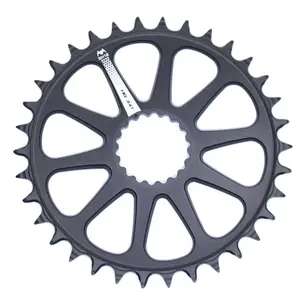
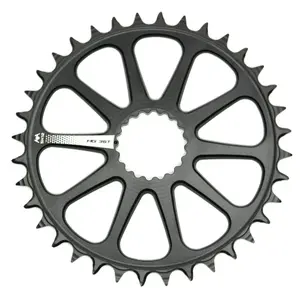


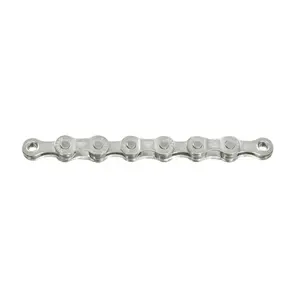
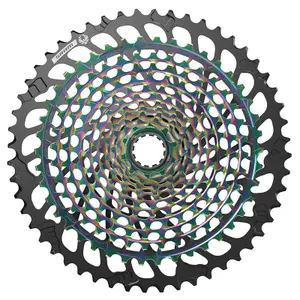
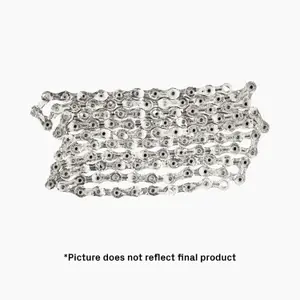
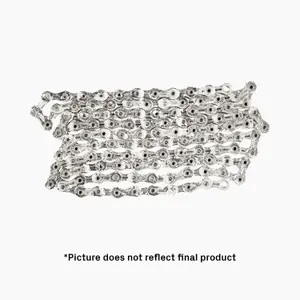
A city bike chain is chosen according to the drivetrain: wide for a single speed or an internal gear hub, narrower for a derailleur, with a width that follows the number of sprockets on the cassette. E-bike chains, 8 to 12-speed cassettes, quick links and full chain guards are gathered on this page.
Which chain for a city bike?
All bike chains share the same half-inch pitch between two pins; it is their internal width that changes. Single-speed bikes and internal gear hubs use a wide chain, known as 1/2 x 1/8 inch, sturdier and with no need for lateral flexibility. With a derailleur, the chain gets narrower as the sprockets get closer together: an 8-speed chain does not suit an 11-speed cassette, and vice versa. The number of speeds is stated on the packaging and often engraved on the links.
E-bike chains: what changes
Chains marked E-Bike are designed for the combined effort of rider and motor and for shifting under load. Shimano offers them by number of speeds, such as the 10-speed CN-E6090, and KMC in its E10, E11 and E12 series with EPT anti-rust treatment. A conventional chain with the same number of speeds remains compatible; just keep an eye on its wear, which is faster on an e-bike used every day.
Cassette or freewheel: identifying the back end of your bike
A cassette slides onto the hub's freehub body and is held by a splined lockring; a freewheel, an older design, screws directly onto the hub and carries its own mechanism. The two look alike but are not removed with the same tool. Shimano Cues cassettes, in 9, 10 or 11 speeds, use Linkglide teeth: they go with the derailleurs and shifters from the same family, and the whole Cues range runs on an 11-speed chain.
Length, wear and quick link
Chains are sold with a standard number of links, for example 116 or 126, then shortened to suit the bike. The simplest way is to count the links of the old chain, if it was correctly sized. As you ride, the chain stretches as its pins and rollers wear: check it regularly with a chain checker and replace it as soon as the checker says so, before it wears out the cassette and the chainring. A quick link lets you open and close the chain without a chain tool; some models cannot be reused, so follow the instructions.
Protecting the chain in town
Rain, road salt and dust wear a chain faster than you might think. After a ride in the rain, wipe the chain, let it dry, then lubricate it link by link, wiping off the excess that holds on to dirt. A full chain guard, which encloses the chain and the chainring, protects it almost completely and keeps your trousers clean; check its compatibility with the number of teeth on your chainring.
The other parts of a city bike drivetrain
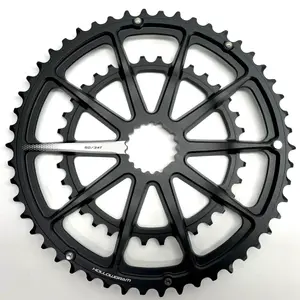
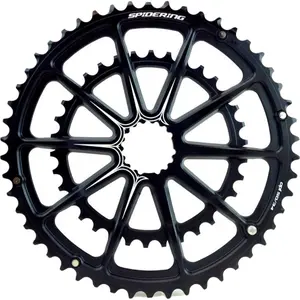
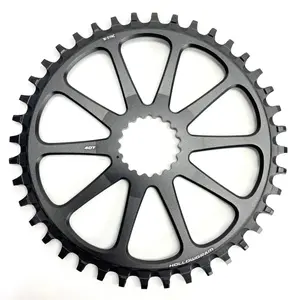
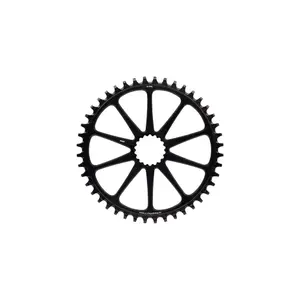
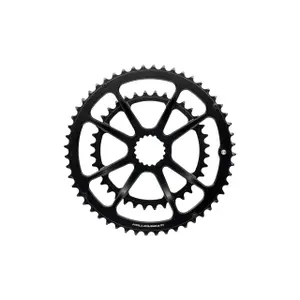
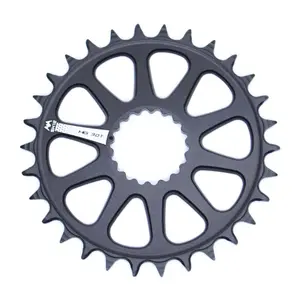
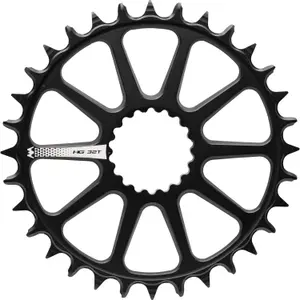
A new chain on worn teeth slips under load: check the chainrings and, if they are riveted, the chainsets. Rear derailleurs and gear cables and outers complete a service. For a road bike drivetrain, see road bike cassettes and chains.
Which chain and cassette brands should you choose?
Shimano offers chains dedicated to e-bikes, the 9-speed CN-E6070 and 10-speed CN-E6090, the Linkglide CN-LG500 chain and the Cues CS-LG300 and CS-LG400 cassettes.
XLC, the parts range of the Netherlands-based Accell group, offers Shimano-compatible 10-speed cassettes, such as the FW-S03, and the CC-C11 chain designed for e-bikes.
KMC, a Taiwanese manufacturer founded in Tainan, produces chains for road, MTB, BMX, city bikes and e-bikes: E series with EPT anti-rust treatment, the Z1 chain in a wide or narrow version for single speed, and MissingLink quick links.
Hebie, a German manufacturer from Bielefeld specialising in kickstands and chain protection, designed the Chainglider, a chain guard that fully encloses the chain and chainring and fits without screws.
Box Components, born out of BMX racing in California, also offers nine-speed Prime drivetrains, with wide-range cassettes including E-Bike versions in 11-46 and 12-50 teeth, and matching chains.
Sunrace, a Taiwanese drivetrain manufacturer that also owns Sturmey-Archer, the English inventor of the three-speed internal gear hub, offers 10 and 11-speed cassettes and chains for the city as well as for mountain biking.
Chains and cassettes on sale
End-of-line chains and cassettes are listed in our urban clearance, and recent references in new arrivals. The winter sales are an opportunity to keep a new chain in reserve for the next service.
Frequently asked questions
How long does a bike chain last?
It depends on maintenance, the weather, the number of speeds and the power transmitted: an e-bike chain used every day wears faster than the chain of a non-electric city bike. Rather than counting the miles, measure its stretch with a chain checker at every service.
How do you work out the chain length you need?
The most reliable way is to use the same number of links as the old chain. Failing that, with a derailleur, run the chain over the large chainring and the largest sprocket without passing it through the derailleur, then add two links. With an internal gear hub, the chain is tensioned by the position of the wheel or with a tensioner.
Do e-bikes need a special chain?
No, a conventional chain with the right number of speeds works. A chain designed for e-bikes is, however, built for the motor's effort and for shifting under load, two sources of wear specific to these bikes.
How do you know if a cassette is worn?
The clearest sign appears after fitting a new chain: it slips on the most-used sprockets as soon as you push hard. The teeth on these sprockets also look hollowed or pointed. Changing the chain in time significantly extends the life of the cassette.
Should you lube your chain after rain?
Yes. Water washes out the lubricant and encourages rust, especially in winter with road salt. Wipe the chain, let it dry, apply a drop of lube to each roller, then wipe off the excess. A wet-weather lube holds up better in the rain.







