
MTB stems: short, enduro and direct mount
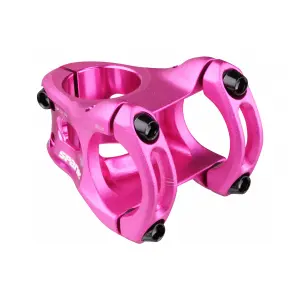
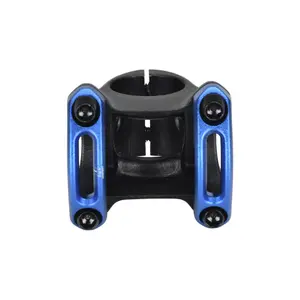
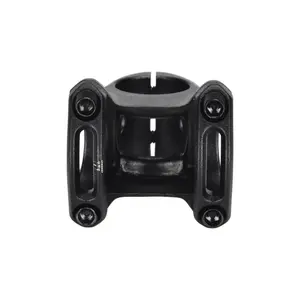
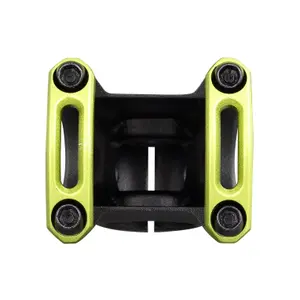
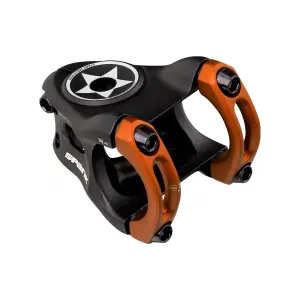
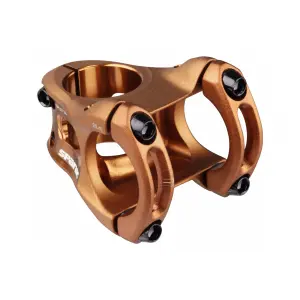
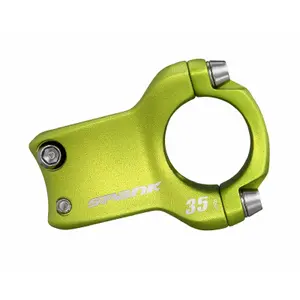
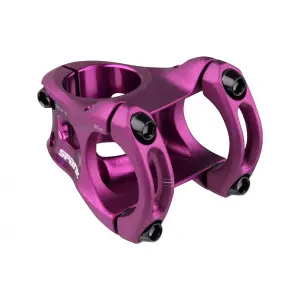
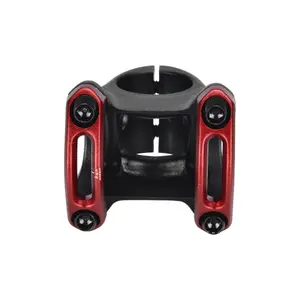
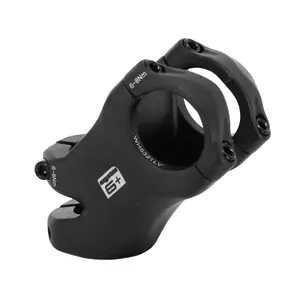
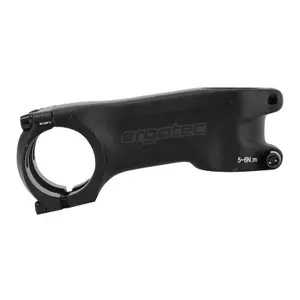
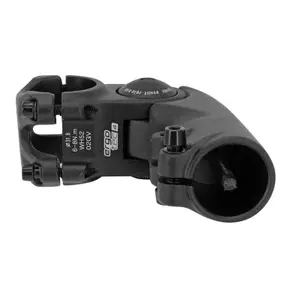
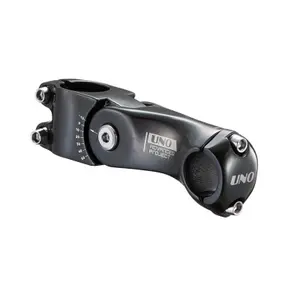
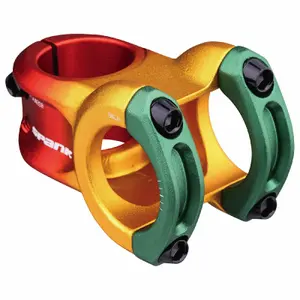
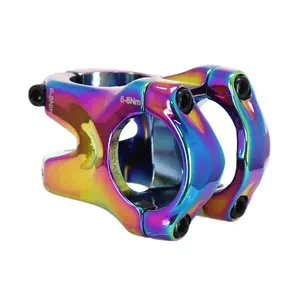
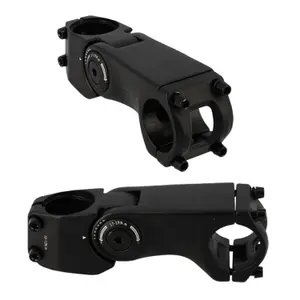
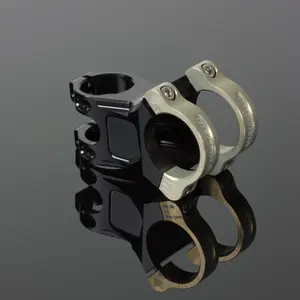
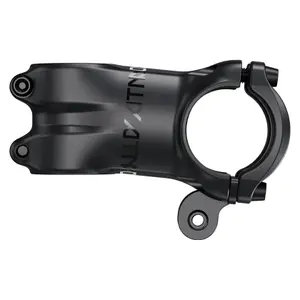
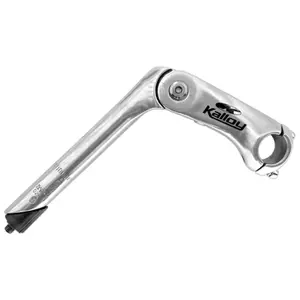
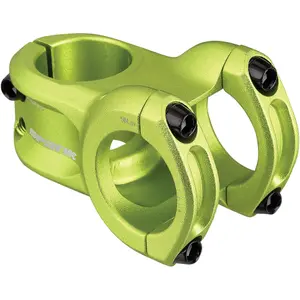
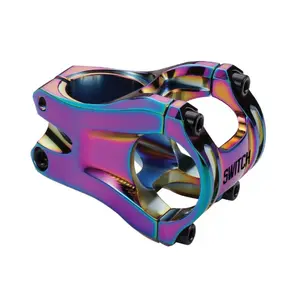
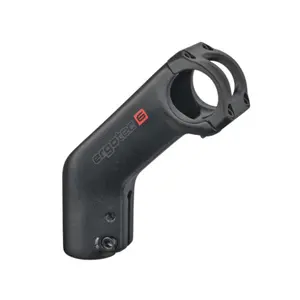
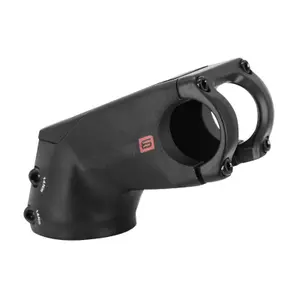
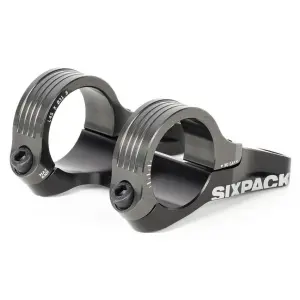
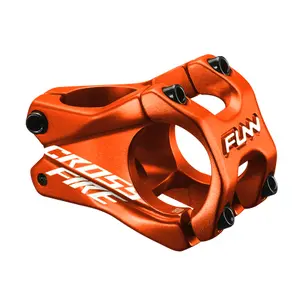
An MTB stem is chosen first by its length: short, from around 30 to 50 mm, for trail and enduro, longer for cross-country, and in a direct mount version for dual crown downhill forks. Then check the handlebar clamp, 31.8 or 35 mm, and your fork's steerer. Stems, top caps and replacement bolts are all on this page.
Why have MTB stems become so short?
The stem positions your hands in relation to the front wheel. Trail and enduro bikes now have a longer frame and a slacker head angle than in the past: to keep a compact position, stems have become shorter, while handlebars have become wider to keep their leverage. A short stem moves your upper body back, which is reassuring on steep slopes, and makes the steering more direct in tight corners. A longer stem puts more weight on the front, an advantage for climbing and holding your line at speed.
What MTB stem length for your bike?
- Cross-country and marathon: from around 60 to 90 mm, often with a slightly negative angle to keep the front end low on climbs.
- Trail and enduro: from 30 to 50 mm, almost always with zero rise, paired with a wide riser bar.
- Downhill and freeride: a 40 to 50 mm direct mount stem, bolted to the upper crown of a dual crown fork, with no clamp around the steerer.
- Electric mountain bike: the length follows your riding, but check that the stem is rated for aggressive riding and a heavier bike.
The stem fitted as standard suits the frame size: start from its length and change in steps of 10 mm. Two stems of the same length can, however, position the bar differently if their stack height or angle differ.
Height, angle and spacers: setting your bar at the right height
On a mountain bike, bar height is set first with the spacers, the rings slipped under or over the stem. Moving them costs nothing, within the height limit set by the fork manufacturer. The steerer must always stop a few millimetres below the top of the stem, so that the top cap can preload the headset. A stem with a positive angle or a high-rise stem lifts the cockpit further, at the cost of less precise steering; for a modest gain, a higher-rise handlebar is often the best option. Also consider the stack height of the stem, which varies from one model to another and determines how many spacers go on top.
Bar and steerer clamps: how to fit an MTB stem
The bar clamp must match the diameter of the handlebar exactly, 31.8 or 35 mm, and the steerer clamp that of the fork, usually 1 1/8 inch. Before tightening the stem, adjust the headset preload with the top cap bolt, with the wheel on the ground, until all play disappears without the steering binding. Then tighten the steerer bolts, followed by the bar bolts, in a cross pattern and to the torque engraved on the part. On a carbon steerer, the classic star nut is replaced by an expander plug. The top caps, bolts and spare parts on this page let you restore a stem without replacing it.
Handlebar, headset and stems for other disciplines
The stem works hand in hand with MTB handlebars, whose rise and width complete its adjustment, and sits on the headset, which should be checked at every change. MTB forks set the steerer diameter. For another bike, see gravel stems, BMX stems or all our bike stems, adjustable and quill models included.
Which MTB stem brands to choose?
Spank laser-engraves markings on its Split 35 stem that help you set the rotation of the bar, and chamfers its clamp to protect the bar; with zero rise, it comes in lengths from 35 to 50 mm for trail and enduro, alongside the Spoon and the 31.8 mm Split.
Renthal offers the Apex, a short stem designed for enduro and cross-country, and the Integra, a direct mount downhill stem, available here with a plus 10 degree angle.
Sixpack Racing designs components in Germany developed with its riders: the Millenium comes in a Direct Mount version for dual crown forks, and the Vertic comes in lengths from 40 to 60 mm, in 31.8 or 35 mm.
Chromag, based in Whistler, Canada, offers the HiFi in 31.8 and 35 mm and in several lengths, including versions with a bar clamp designed for freeride and downhill.
Race Face, born on Vancouver's North Shore, fits its Turbine R stems with a lipped faceplate called Overbite, which holds the bar in place during fitting; machined from 6061 alloy, they range from 32 to 70 mm, with zero rise.
MTB stems on sale
A change of colour or range is enough for a stem to join MTB component clearance; recently listed models can be found in new arrivals. Make the most of the winter sales or Black Friday to try a different length.
Frequently asked questions
Does a short stem hold a mountain bike back on climbs?
A little: your weight moves back and the front wheel can go light on the steepest slopes. Most trail bikes are designed for a short stem, and moving forward on the saddle is often enough. In cross-country, where you climb a lot, a slightly longer stem still makes sense.
Can you pair a 35 mm stem with a 31.8 mm handlebar?
No, the clamp must match the diameter of the handlebar. If you switch from one diameter to the other, change the stem and the handlebar together, and check that the central section of the new bar suits the width of the clamp.
Is a carbon stem worthwhile on a mountain bike?
The weight saving is small on a short stem, and most MTB stems are still made of forged or machined aluminium, which is more tolerant of impacts. Carbon is found mainly in cross-country. In every case, respect the tightening torque and the intended use stated by the manufacturer.
How do you know if your mountain bike needs a direct mount stem?
Look at the fork: if it has two crowns, one below the frame and one above, the stem bolts directly onto the upper crown. On a single crown fork, the stem clamps around the steerer. Mounting hole spacing varies between forks: check compatibility before buying.
Do you need to adjust the headset after changing your stem?
Yes. Loosen the steerer bolts, preload the headset with the top cap bolt until all play is gone, then retighten the stem while checking its alignment with the wheel. Finally, check by applying the front brake and rocking the bike back and forth: you should not feel any knocking.







