
MTB headsets and headset bearings
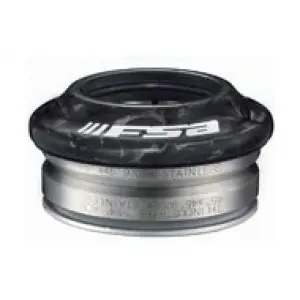
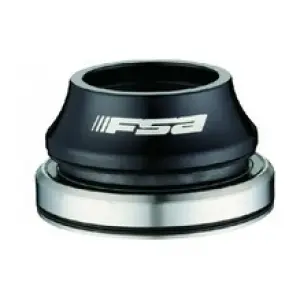

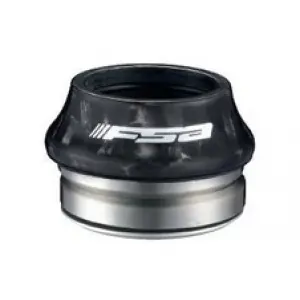
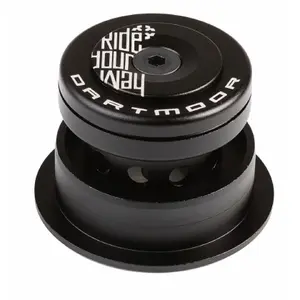
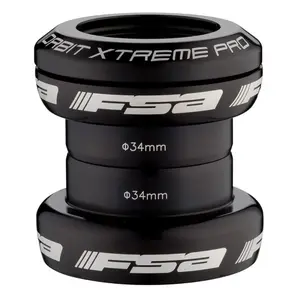
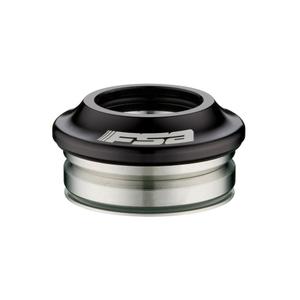
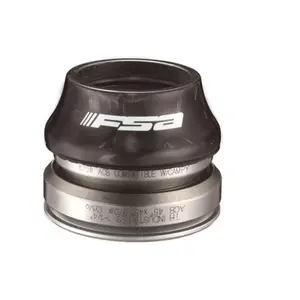
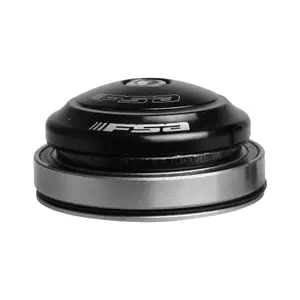
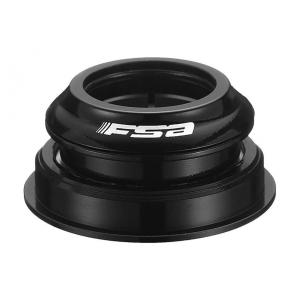
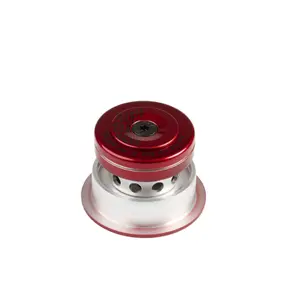
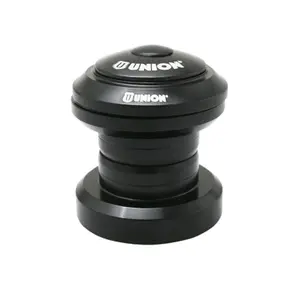
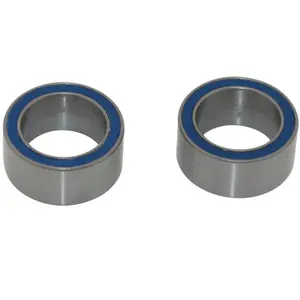
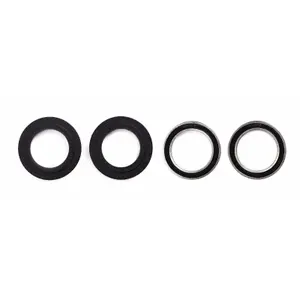
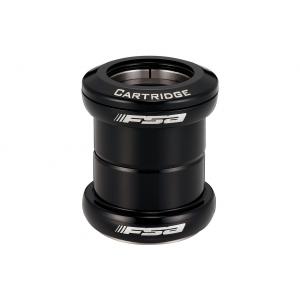
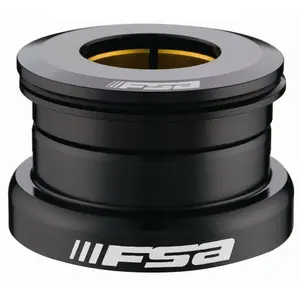
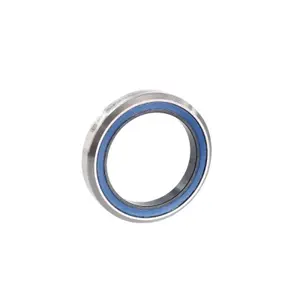
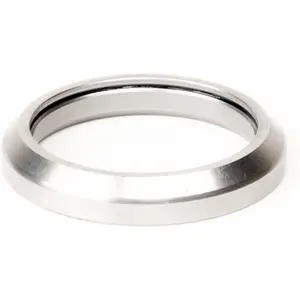
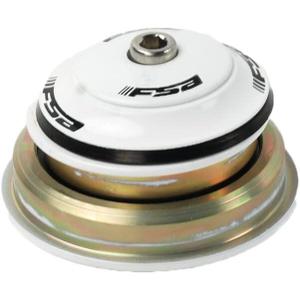
An MTB headset lets the fork turn in the frame, on two bearings that absorb braking and landings. To replace it, first identify its type, external, semi-integrated or integrated, then its dimensions: the diameter of the head tube and the diameter of the steerer, often tapered on a recent mountain bike. Complete headsets and replacement bearings are all on this page.
What does a headset do and when should you replace it?
A headset consists of two bearings housed at the top and bottom of the head tube, their cups, a crown race and a top cap. On a mountain bike, it takes forces the road never has to deal with: hard braking, landings from jumps, repeated impacts in rock gardens, not to mention the water and mud that eventually reach the balls. Two signs give away a worn headset: a knock when you apply the front brake and push the bike, or steering that catches when going straight, as if it were dropping into a notch. In both cases, check the adjustment, then the condition of the bearings.
External, semi-integrated or integrated: reading the SHIS code
Three families coexist. On an external headset, the cups are pressed into the frame and the bearings stay outside the tube. On a semi-integrated headset, known as zero stack, the cups are pressed in but the bearings sit inside. On an integrated headset, the bearings sit directly in bearing seats machined into the frame, with no cup.
The SHIS identification system sums up this information in two codes, one for the top and one for the bottom. The letters indicate the type, EC for external, ZS for semi-integrated, IS for integrated; the first number gives the inside diameter of the housing in millimetres, the second the diameter of the steerer or of the crown race seat. The code ZS44/28.6 and EC44/40, for example, refers to a semi-integrated top for a 1 1/8-inch steerer, or 28.6 mm, and an external bottom for the 1.5-inch tapered section of a modern fork, with a 40 mm crown race. If in doubt, measure the housing with a vernier calliper, at the top and bottom, or the outside diameter of the old bearing.
Headset bearings: dimensions, angles and materials
An integrated headset bearing is defined by its outside diameter, its inside diameter, its height and its contact angles, most often 36 x 45 degrees or 45 x 45 degrees. These angles must match the bearing seats of the frame and the crown race: note the reference engraved on the old bearing before ordering. This page also offers cartridge bearings designated by their dimensions, inside diameter, outside diameter and width, used in suspension pivots, hubs or bottom brackets. As for materials, steel remains the benchmark, stainless steel resists corrosion better, and ceramic reduces friction.
Servicing, adjusting and replacing your headset
After muddy rides, strip the headset down from time to time: clean the bearings and seats, remove the old grease and regrease before reassembly. Replace a bearing that grinds, catches or shows rust. On reassembly, the preload is set with the top cap bolt, with the stem loosened: it is right when the steering turns freely and the spacers can no longer be turned by hand. The bearings of an integrated headset are fitted by hand, whereas the cups of an external or semi-integrated headset require a headset press and a cup remover, a job many riders leave to a workshop.
Fork, stem and headsets for other disciplines
The headset depends on the fork's steerer: compare its dimensions with those of MTB forks before any change. The stem, clamped onto the steerer, plays its part in the adjustment. For a road or gravel bike, see road bike headsets and gravel headsets.
Which MTB headset brands to choose?
Elvedes, a Dutch specialist in workshop parts, lists its headset bearings by steerer diameter and by angle, from 1 1/8 inch to 1.5 inch, in 36 x 45 or 45 x 45 degrees, and offers an assortment box of 17 pairs with spacers.
Black Bearing, a French brand of technical bearings, offers its bearings in several ranges, B3, B5, Max and ceramic, with stainless versions, for headsets, suspension pivots or bottom brackets.
CeramicSpeed, a Danish maker of ceramic ball bearings, is represented here by a 61805 bearing measuring 25 x 37 x 7 mm, in a coated version.
Cane Creek, based in North Carolina, at the foot of Pisgah Forest, offers its 40-Series headset in many standards, from ZS44 to ZS49 by way of the integrated IS41, and also sells its bearings separately.
Dartmoor, a Polish brand of freeride, enduro and dirt jump mountain bikes, also makes its own components, including the Flash headset, available in a tapered EC34/ZS49 version.
MTB headsets on sale
End-of-line headsets and bearings are in MTB component clearance, and the latest arrivals in new arrivals. A pre-season service, timed with the winter sales, is the right moment to replace tired bearings.
Frequently asked questions
How do you get rid of play in a mountain bike headset?
Loosen the stem bolts on the steerer, gently tighten the top cap bolt until the knocking disappears, then retighten the stem to the specified torque. If the play comes back or the steering catches, the bearings are worn or the crown race is not seated properly.
Which headset for a tapered fork?
You need a 1.5-inch bottom, with a 40 mm crown race, and a 1 1/8-inch top. The type of cup depends on the frame: note its code or measure its housings. Some forks have an integrated crown race and do not need another one.
Do you need a special tool to change a headset?
For an integrated headset, a key for the stem is often enough: the bearings are fitted by hand. The cups of an external or semi-integrated headset are pressed in with a headset press and removed with a cup remover, and the crown race is fitted with a dedicated tool. Without these tools, go to a workshop.
How often should you grease an MTB headset?
It depends on your terrain: after a spell of wet or muddy rides, a check is essential, and a full clean with fresh grease at every service of the bike. A bearing that still catches after greasing must be replaced.
36 or 45 degree headset bearing: how can you tell?
Look at the reference engraved on the old bearing or at the frame's specifications. Failing that, compare the chamfer of the bearing seat: the angles of the bearing must match those of the frame's seat and the crown race, otherwise it will not bear over its whole surface.







