
Cycling hydration packs for gravel riding


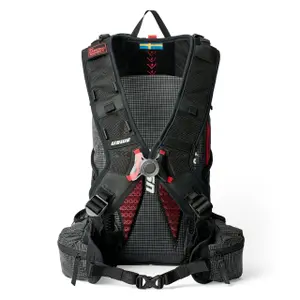


A cycling hydration pack carries water on your back and keeps it within reach of your mouth: useful in gravel riding when water points are scarce, when it is hot or when bags already take up the bottle mounts. Choose the bladder capacity, from 1.5 to 3 litres, then the storage volume according to the length of your rides and what you carry.
Is a hydration pack worth it for gravel riding?
A gravel bike often carries two bottles, sometimes three. On a long ride with no villages, in hot weather or when a frame bag takes the place of a bottle cage, that is not always enough. A hydration pack adds one or more litres of water and lets you drink in small sips without letting go of the handlebar, a real plus on rough tracks where reaching for a bottle becomes tricky. It also carries your repair kit and a jacket.
Vest, small pack or day pack: which volume to choose?
- Vest or pack of 1.5 to 3 litres: close to the body, it carries a bladder or soft flasks and a few bars. It suits fast rides and events.
- Pack of 4 to 10 litres: the versatile format, with a 2 to 3-litre bladder, an inner tube, tools and a windproof jacket.
- Pack of 12 to 30 litres: for long days or light touring, when the luggage fitted to the bike is not enough.
Bladder, back panel and harness: what to compare
A bladder is easier to fill with a wide opening, and easier to clean if it opens fully or turns inside out. A drinking tube held on the shoulder strap, often by a magnet or a clip, stays within reach. For comfort, a ventilated back panel limits sweating, and a well-designed harness stops the pack bouncing on tracks. Several sizes, or men's and women's versions, let you match the pack to your torso length.
Looking after your hydration bladder
After each ride, empty the bladder, rinse it with clean water and leave it to dry open, upside down or held open, to avoid odours and mould. A sugary drink calls for more thorough rinsing, tube included.
Gravel bags and luggage
To lighten the load on your back, part of it can go on the bike: a frame bag takes tools and food, the saddle bag clothing and the handlebar bag bivouac kit. For touring, also see our pannier racks and the whole gravel bike bags range.
Which hydration pack brands to choose?
Camelbak offers the Zephyr Pro, a very light hydration vest worn with two soft, collapsible flasks, designed first and foremost for trail running.
Uswe fits its packs with the NDM harness, designed so that the pack does not move on your back; the 2-litre Outlander XC carries a 1.5-litre Elite bladder that turns inside out to dry, and the range goes up to the 30-litre VST Daypack.
Evoc combines on the Hydro Pro a 1.5-litre bladder, an Air Circulation back panel that limits heat and compartments for bars and gels.
Source makes hydration bladders with a replaceable bite valve and an antibacterial lining, BPA-free, to slip into an existing pack.
Zefal offers the Z Hydro Enduro, a 9-litre pack with a 3-litre bladder, a helmet holder and foam reinforcements for stability.
Hydration packs on sale
End-of-line gravel bags and packs can be found in our road clearance, and newly listed models in new arrivals. Think of the summer sales to get equipped before the hot weather arrives.
Frequently asked questions
What bladder capacity for gravel riding?
A 1.5-litre bladder complements two bottles well on a ride of a few hours. For a day without resupply or in hot weather, a 2 to 3-litre bladder gives a real margin. Nothing obliges you to fill it: adjust to the route.
Hydration pack or bottles: which to choose?
Bottles keep your back free and are quick to refill at fountains. A pack lets you drink without letting go of the handlebar and carries more water and kit. Many gravel riders combine the two on long rides.
Is a trail running vest suitable for cycling?
Yes, for fast rides when you carry little: very close to the body, it moves little. On a bike, check that the flasks stay within reach in a leaned-forward position and that the vest leaves your shoulders free.
How do you clean a hydration bladder?
Rinse it after each use and leave it to dry open. From time to time, wash it with warm soapy water and a suitable brush, tube included, then rinse thoroughly. Avoid leaving it full for several days.
Does a hydration pack make your back hot?
A little, especially in summer. A ventilated back panel limits sweating, and a small pack heats up less than a large one; moving part of the load into bags on the bike keeps your back cooler.







