
Gravel and bikepacking handlebar bags


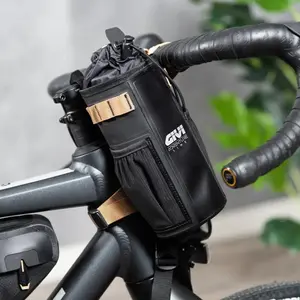


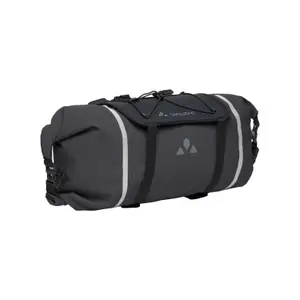
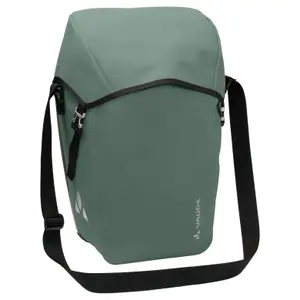


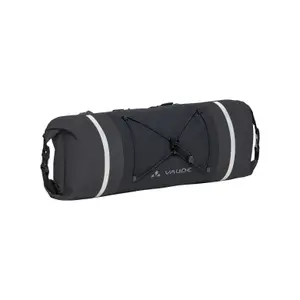
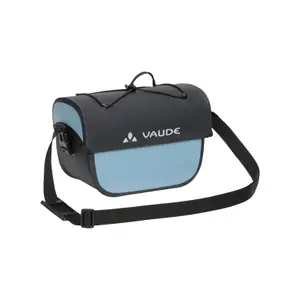
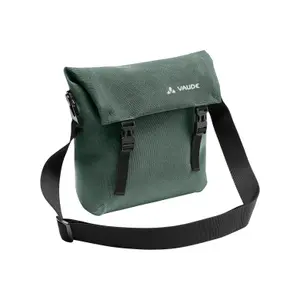


A gravel handlebar bag keeps what you need within reach while riding, or carries up front the volume for a ride lasting several days. Choose the format according to your use, a small bar bag, a waterproof roll or a bikepacking harness, then check the width available between the hoods of your handlebar and the space above the front tyre.
Why a handlebar bag for gravel riding?
The handlebar is the most accessible place on the bike: phone, bars, windproof jacket or camera can be grabbed there without getting out of the saddle. In bikepacking, the handlebar bag complements the saddle bag and the frame bag to spread the load without a rack, which keeps the bike light on tracks. It is the ideal place for bulky, light items, such as a sleeping bag, a rolled-up tent or spare clothes.
Roll, harness or quick-release: which format should you choose?
- The small bar bag, from about 1 to 5 litres, is strapped to the handlebar and stays in place for every ride: repairs, snacks, documents.
- The stem bag, a cylinder of one to two litres fixed next to the stem, takes a soft flask or bars that you can grab while pedalling.
- The waterproof roll, from 8 to 16 litres, closes with a roll-top at both ends and straps directly to the handlebar.
- The harness stays on the bike and takes a removable dry bag: you unclip the bag at camp without undoing the whole mount.
- The quick-release bag, rigid and fitted with a clip-on adapter, comes off in one move; it is the format for cycle touring and everyday journeys.
Drop bars: width, cables and space above the wheel
On a road or gravel bar, the bag must fit between the hoods: measure the gap available between your hands on the tops, reduced on a narrow bar, and choose a bag of the right width. The cables and hoses coming out of the levers must keep a gentle curve, without being crushed by the straps, and the bag must not rub on the front tyre when the fork compresses or when the tyre is wide. On a carbon handlebar, follow the bag manufacturer's instructions: some advise against cinching their straps tight on carbon. A spacer or a strap round the head tube stops the bag tipping forwards.
Waterproofing, volume and loading
A truly waterproof bag combines a coated fabric, welded rather than stitched seams and a roll-top closure; a bag described as water-repellent protects against a shower, not a day in the rain. For volume, start from what you carry: 2 to 5 litres for a long day ride, 10 litres and more for an overnight camp. Keep heavy items close to the bar and centred, as a loaded bag makes the steering heavier and can make the front end wobble at low speed. Respect the stated maximum load, often a few kilos.
Other gravel and bikepacking bags
At the rear, bikepacking saddle bags extend the saddle without a rack, while frame bags carry heavy loads in the centre of the bike. For a more heavily loaded tour, see our pannier racks and pannier bags. For a city or road bike, handlebar bags for every use are gathered on a dedicated page.
Which gravel handlebar bag brand should you choose?
Woho, a Taiwanese bikepacking brand founded by cyclists, pairs its XTouring handlebar harness with roll-top dry bags that detach at camp.
Swift Industries, a Seattle workshop whose first bags were sewn on site, offers the Zeitgeist, a handlebar bag of around twelve litres with side pockets, the more compact Bandito, and the Gibby, a stem bag.
Zefal, a French accessories maker, designs the Z Adventure F10, a 10-litre handlebar bag with welded seams and a roll-top closure, held in a cradle fixed to the handlebar with adjustable straps.
Acepac offers the Bar Roll MKIII, a roll whose volume adjusts from 8 to 16 litres by rolling it from both sides, with a removable waterproof inner bag, and the 5-litre Bar Bag MKIII, which attaches to the roll or on its own to the handlebar.
VAUDE, the German outdoor brand from Tettnang, makes the Aqua Box at its site near Lake Constance and offers the Trailfront Compact, a two-part bikepacking bag fixed to the handlebar and the head tube.
Restrap, a Leeds brand that sews its bags in Yorkshire, mounts its Race Bar Bag on a permanent harness: in the drop bar version, the 7-litre bag is 280 mm wide to fit between the hoods.
Handlebar bags on sale
A bag whose colour changes moves to the road outlet, and the latest bags listed appear in new arrivals. The seasonal sales in spring, when the big rides begin, are a good time to kit yourself out before a first tour.
Frequently asked questions
What size handlebar bag for gravel riding?
For a day ride, 2 to 5 litres is enough for tools, a windproof jacket and food. For a self-supported weekend, a 10 to 15 litre roll takes the sleeping bag or clothes. Beyond that, it is better to spread the load across several bags.
Does a handlebar bag make the steering heavier?
A small bag can hardly be felt. A roll loaded with several kilos weighs down the front and makes the steering slower, especially when climbing at low speed. Fill it with light items and tighten the straps well so it does not bounce around.
Where should you put your light and bike computer with a handlebar bag?
A bulky bag often blocks the beam of a light mounted on the handlebar. Fit the light under the bike computer mount, on the fork or on the bag itself if it is designed for it, and give the bike computer a stem extension or an out-front mount.
Can you fit a handlebar bag to a road bike?
Yes, if it matches the width of your handlebar, which is generally narrower than a gravel bar. A small bar bag or a stem bag works well for long road rides.
How do you stop the bag rubbing on the tyre?
Raise it with spacers or a rigid harness, reduce its volume by rolling it up and add a strap round the head tube. On a suspension fork, check the clearance with the fork compressed.







