
Road cycling gloves for summer, autumn and winter


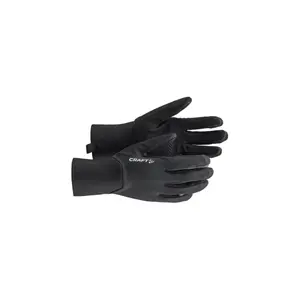
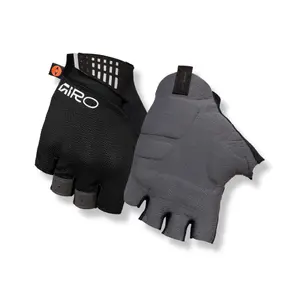
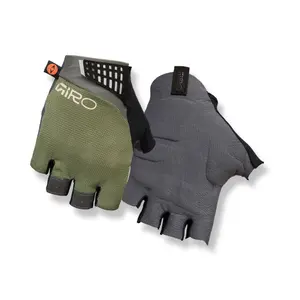
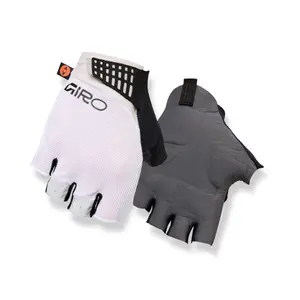
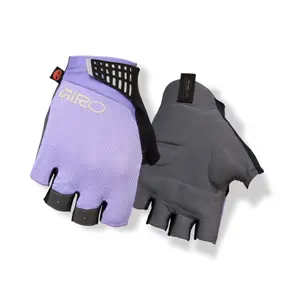
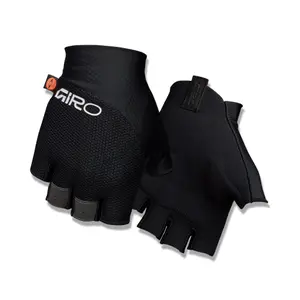
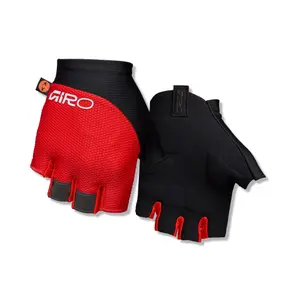
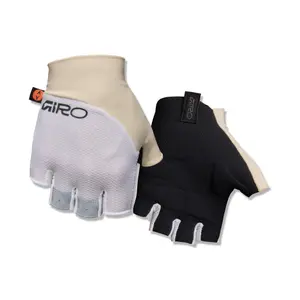
On the road, cycling gloves protect your palms in a crash, absorb some of the vibration from the handlebar and, in winter, keep your fingers warm enough to brake and change gear without hesitation. Light fingerless mitts in fine weather, thin full-finger gloves in spring and autumn, insulated windproof gloves in the cold: choose according to the temperature of your rides, then check the size against your hand circumference.
What are cycling gloves for on the road?
Road cycling gloves have three roles. First, they protect: in a crash, the reflex is to put your hands out, and a synthetic leather palm stops the tarmac from grazing it. Second, they improve comfort, as inserts placed in the right spot dampen vibration and pressure on the palm as the miles go by. Finally, they ensure grip on the handlebar, whether your hands are sweating in summer or the rain makes the bar tape slippery in winter.
Gel, foam or thin palm: which padding should you choose?
Pressure from the handlebar on the heel of the hand can compress the ulnar nerve, which runs through that area: this is the cause of the tingling in the ring and little fingers that many cyclists feel on long rides. Padded gloves place gel or foam inserts on either side of this zone to relieve it. More padding does not mean more comfort: an insert that is too thick can actually create a pressure point and reduce your feel for the handlebar. Riders who want to keep direct contact with the bar choose a thin palm, sometimes treated for grip, and rely on thicker bar tape for cushioning.
Which cycling gloves for each season?
- Summer mitts: cut-off fingers, a breathable mesh back, a padded palm and often a towelling patch on the thumb to wipe away sweat. Pull tabs between the fingers help you take them off.
- Spring and autumn full-finger gloves: a thin, slightly windproof fabric covers your fingers on early starts without making you sweat as the temperature rises.
- Winter gloves: a windproof, sometimes waterproof membrane combined with insulation or a fleece lining. They stay thin enough at the fingertips to operate the levers.
- Extreme cold: layer a thin liner glove under an insulated glove; the air trapped between the two layers improves protection.
Also think about the practical details: touchscreen-compatible fingertips for checking a bike computer or phone, reflective inserts on the back of the glove to signal a turn at dusk, and a hook-and-loop closure or a long cuff that slips under your jacket.
How do you find the right glove size?
Measure the circumference of your dominant hand across the knuckles, excluding the thumb, then compare the measurement with the manufacturer's chart, which varies from one brand to another. A summer glove should fit like a second skin, with no creases in the palm that would end up rubbing. A winter glove leaves a little room at the fingertips: the air trapped there insulates, whereas a glove that is too tight restricts circulation and chills the hand. Women's gloves have slimmer fingers and a narrower palm; for children, brands usually give a size-to-age guide.
Other road cycling gear
Warm hands are not enough in winter: a windproof road cycling jacket and a long-sleeve jersey complete your protection, while liner gloves, neck warmers and overshoes are in clothing accessories. For the trails, MTB gloves are generally full-finger and reinforced against falls and branches.
Which cycling glove brand should you choose?
Giro offers the Bravo Gel, a short-finger glove with gel inserts and a microfibre area for wiping away sweat, the Jag and, for women, the full-finger Candela 2.
Roeckl, a Munich family company specialising in gloves, offers cycling mitts such as the Imatra 2, gloves such as the Iton 2 and winter gloves such as the Raiano, with a windproof back and a fleece lining.
Shimano also dresses cyclists' hands: its Windstopper Insulated glove combines a windproof layer with a fleece lining and touchscreen fingertips for cold rides.
Rogelli, a Dutch brand, offers simple summer gloves such as the Essential and women's models such as the Impress II.
Crazy Safety, a Danish brand of animal-shaped children's helmets, designs gloves for young cyclists with reflective eyes and a padded palm.
Hirzl stands out with its Grippp palm in kangaroo leather treated to grip the handlebar, wet or dry, with the Grippp Tour in short-finger or full-finger versions.
Cycling gloves at reduced prices
End-of-line gloves are offered in road clothing clearance; the latest models listed are in new arrivals. As winter approaches, make the most of Black Friday to get a warm pair, and of the summer sales for mitts.
Frequently asked questions
Do you need gloves for road cycling?
They are not essential for every ride, but they are recommended on the road, especially for group rides and at high speed, where falling onto your hands is common. They also make long rides more comfortable by relieving pressure on your palms.
Why do my fingers go numb when cycling?
Most often, the weight of your upper body rests too much on the heel of your hand and compresses the ulnar nerve. Change your hand position on the handlebar regularly, check the set-up of your cockpit and wear gloves whose padding relieves this area.
How do you keep your hands warm in very cold weather?
Layer a liner glove and an insulated windproof glove, without choosing them too tight. Also cover your neck and torso: when the body cools down, it first reduces blood flow to the extremities.
Fingerless or full-finger gloves in summer?
Mitts are the norm in hot weather: they let your fingers breathe while protecting the palm. Very thin full-finger gloves appeal to riders who want to cover the whole hand, against the sun or for protection in a crash.
How do you care for cycling gloves?
Follow the label: a low-temperature machine wash, with the hook-and-loop closure fastened and no fabric softener, suits most models. Dry them flat in the open air, away from any heat source that would harden the palm. Wash mitts often, as they absorb a lot of sweat.







