
Mountain bike gloves: long, short, winter, kids


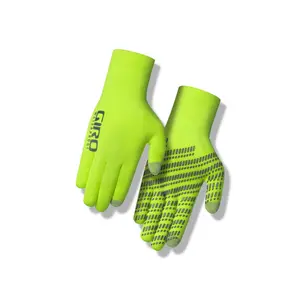
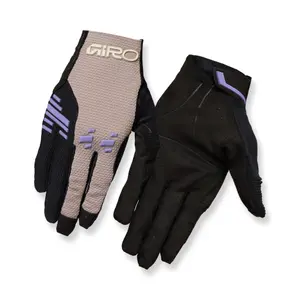
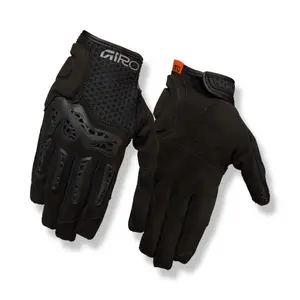
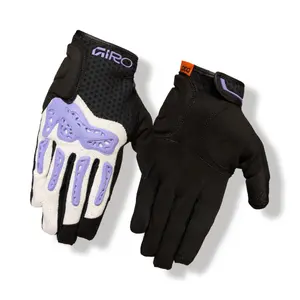
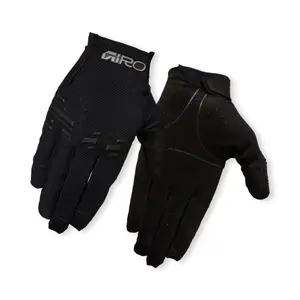
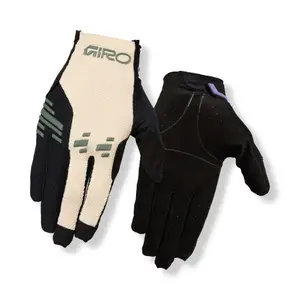

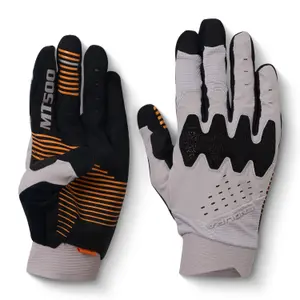


Mountain bike gloves keep your grip on the bars and protect your hands from falls, branches and rocks. On the trails, full-finger gloves are the norm; short-finger gloves are kept for cross-country in hot weather, and insulated or waterproof models take over in winter. Choose a palm thin enough to feel the levers, then the right size based on the circumference of your hand.
Why gloves designed for mountain biking?
On a mountain bike, your hands absorb the shocks from the terrain, work the brakes with a single finger through long descents and are the first to hit the ground in a crash. A mountain bike glove keeps a thin palm so that you can still feel the bars and the levers, covers your fingers against brambles and rocks, and holds onto the grips even when sweat or mud get in the way. Padding is more discreet than on a road glove: the suspension and the grips already absorb part of the vibration.
Short finger, full finger or winter: which gloves for which ride?
- Short-finger gloves: popular for cross-country and fast rides in the height of summer, they let your fingers breathe but leave them exposed in a fall.
- Lightweight full-finger gloves: the choice of most mountain bikers for trail, enduro and downhill, all year round; a mesh back ventilates and a single-layer palm keeps the feel.
- Winter gloves: an insulating lining and a windproof or waterproof membrane keep your fingers warm without letting them go numb, at the cost of a little feel on the levers.
- Rain gloves: waterproof and often lightly lined, they spare you white, frozen hands on long wet rides.
Palm, knuckle protection, closure: what sets the models apart
The palm is where most of the differences lie. A palm made from a single thin fabric gives direct contact with the grip, silicone patterns on the fingertips stop your finger slipping on the brake lever, and a reinforcement between the thumb and the index finger extends the life of the glove where it rubs the most. Enduro and downhill gloves add soft protectors or hard shells on the knuckles and the back of the hand, to absorb an impact against a rock or a tree.
As for the closure, a slip-on glove without a strap hugs the wrist with no pressure point, while a hook-and-loop tab lets you tighten it as much as you like and makes it easier to take off with wet hands. When the thumb and index finger are touchscreen compatible, there is no need to take a glove off to check a phone or a GPS.
How should mountain bike gloves fit?
Measure the circumference of your dominant hand at knuckle height, excluding the thumb, and compare it with the brand's size guide. A mountain bike glove should fit closely without squeezing: too big, it forms creases in the palm and causes blisters; too small, it pulls on your fingertips when you grip the bars. Take winter gloves in the same size, as their lining is already allowed for in the size chart. Women's models are narrower with shorter fingers, and many gloves come in kids' sizes, with the same palms and the same protection as the adult version.
Gloves for road, gravel and BMX
For long rides on tarmac, road cycling gloves rely on inserts that relieve the palm over the distance. Gravel gloves look for a balance between cushioning and feel on tracks, and BMX gloves take up the thin palms and airy backs of downhill mountain bike gloves. The rest of your trail kit is gathered in mountain bike gear.
Which mountain bike glove brands to choose?
Giro offers a wide range of full-finger gloves, from the DND to the Trixter, the Havoc and the Gnar for trail riding, with the Xnetic H2O for wet rides and the DND II for kids.
Five, which presents itself as a motorcycle and bicycle glove specialist, offers short-finger RC1, RC2 and RC3 gloves for mountain biking, and full-finger gloves such as the DH or the Classic WP.
Roeckl, a family glove maker that manufactures in its own workshops in Europe, offers short and full-finger cycling gloves, from the Belp to the Villach 3 and the Vogau GTX for winter, several of which also come in kids' sizes.
7iDP, a brand founded with the aim of designing the most comfortable mountain bike protection to wear, applies the same idea to its Project, Control and Transition gloves, the last of which also comes in a junior version.
POC keeps the Resistance Enduro, also offered in an Adjustable version with an adjustable closure, for committed riding and the Essential DH for downhill, and also offers the Savant and gloves for kids.
Fox Racing builds D3O protection, a material that absorbs impacts, into the back of the hand of its Defend D3O, and offers the Ranger range in gel, rain and winter versions, for men, women and kids.
Mountain bike gloves on sale
Replaced colours and odd sizes are gathered in mountain bike clothing clearance, while gloves that have just arrived are featured in new arrivals. A spare pair for the cold season is worth planning for during the winter sales or on Black Friday.
Frequently asked questions
Do you need padded gloves for mountain biking?
Light padding relieves your hands on long rides, but a glove that is too thick reduces your feel for the levers and the grip. Most trail and enduro riders prefer a thin palm and fine-tune their comfort through their choice of grips and the setup of their fork.
Which gloves for enduro and downhill?
Full-finger, close-fitting gloves with a hard-wearing palm and, ideally, knuckle protection. They should cover the wrist under the jersey sleeve and leave your fingers free to brake. Avoid overly thick winter gloves on technical descents.
Can you use your phone with mountain bike gloves?
Yes, if the tips of the thumb and index finger are designed for touchscreens, which the product page states. With thick winter gloves, accuracy drops: a GPS with buttons or a large screen remains more practical.
How do you wash mountain bike gloves?
Fasten the straps, then wash them by hand or in the machine at a low temperature in a mesh bag, without fabric softener. Leave them to dry in the open air, away from a radiator, which hardens synthetic palms. Regular washing stops sweat and mud from wearing out the seams prematurely.
Which mountain bike gloves for a child?
Full-finger gloves in their size, with a closure they can manage on their own. Small hands quickly slide around in a glove that is too big: measure the child's hand and check that they can work the brakes without difficulty. Many adult models come in a junior size.







