
Road bike brake pads for aluminium or carbon rims
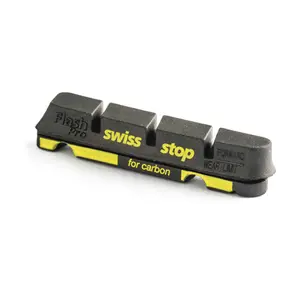
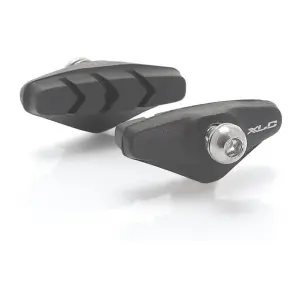
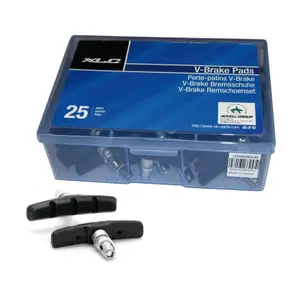
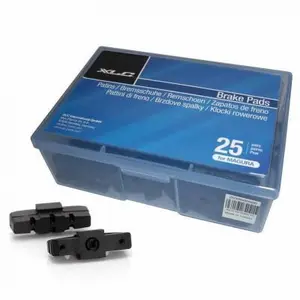
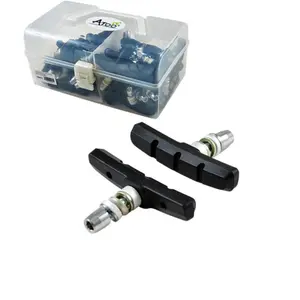
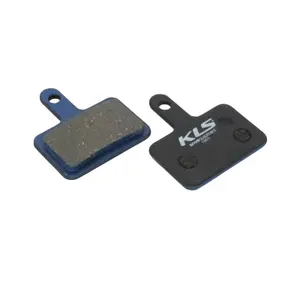
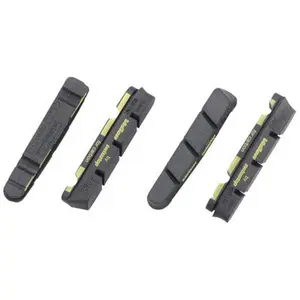
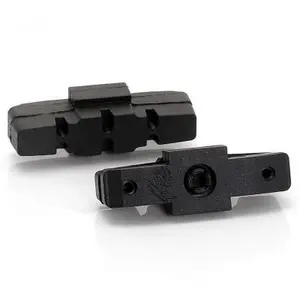
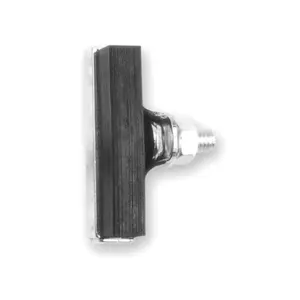
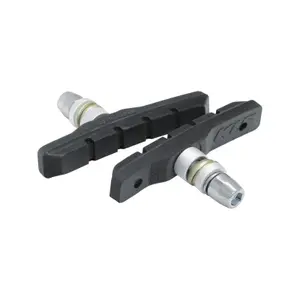
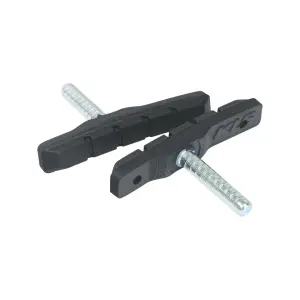
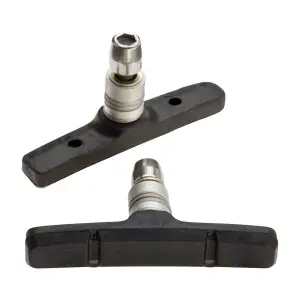
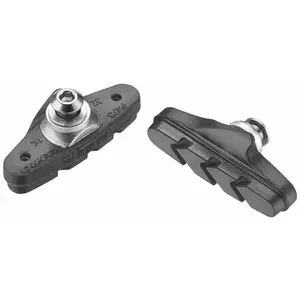
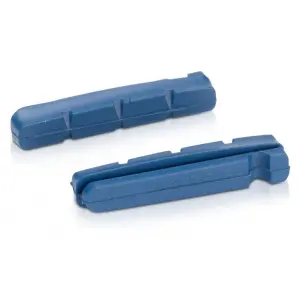
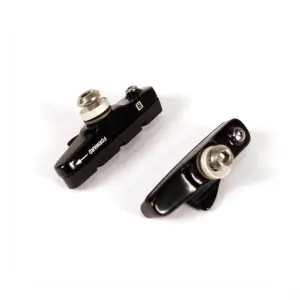
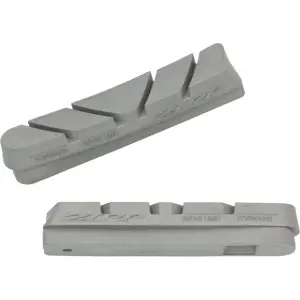
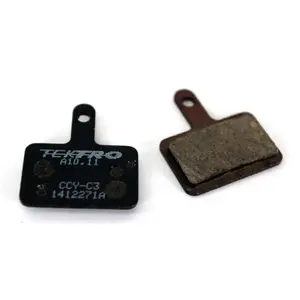
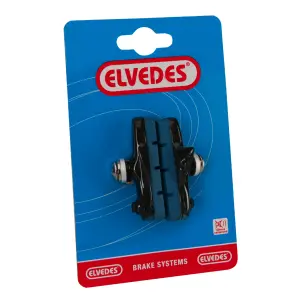
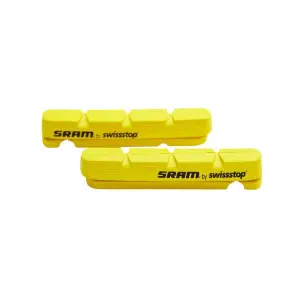
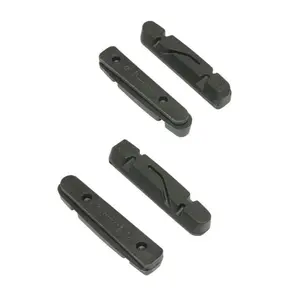
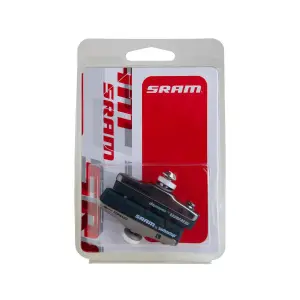
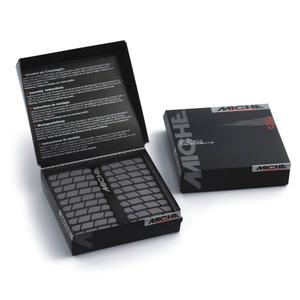
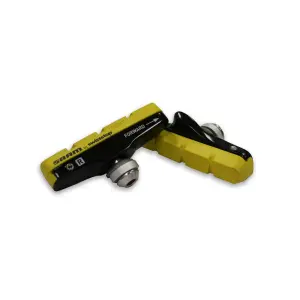
Choose road bike brake pads first according to your rims: a compound for aluminium rims, a specific compound for carbon rims, never one in place of the other. Then check the format, a one-piece brake block or a cartridge insert that slides into a pad holder, and its compatibility, Shimano and Sram or Campagnolo. Compounds, cartridges and pad holders are gathered here.
When should you change your road bike brake pads?
Most road brake pads have grooves that act as a wear indicator: when they have almost disappeared, it is time to replace them. Other signs should alert you: braking that needs more effort at the lever, a metallic screech, or small slivers of aluminium embedded in the compound, which score the rim. Also check your pads after a ride in the rain: water mixed with grit speeds up wear, of both the compound and the braking surface. On a bike that does a lot of miles, it is common to change pads several times a season.
Aluminium or carbon rims: the compound is everything
An aluminium rim accepts conventional compounds, harder or softer depending on whether they favour longevity or bite in the wet. A carbon rim heats up more under braking and does not tolerate abrasive compounds well: it needs pads designed for carbon, usually those recommended by the wheel manufacturer. Some aluminium rims with a treated braking surface, black or ceramic, also require specific pads. Golden rule: never use pads on a carbon rim that have been used on an aluminium rim, as they may contain metal particles.
One-piece pads, cartridge inserts and pad holders
A one-piece brake block is replaced as a whole, compound and bolt included. A cartridge pad separates an aluminium pad holder, which stays on the caliper, from a compound insert that slides into it and is locked by a small screw: you only change the insert, more quickly and without redoing the whole adjustment. Shimano and Sram-format cartridges are interchangeable, whereas Campagnolo uses its own shape: check the description on the product page. When fitting, the open end of the pad holder must always face the rear of the bike, otherwise the insert can be ejected under braking.
How to adjust road bike brake pads
The pad must sit fully on the braking surface, without touching the tyre or overhanging below the rim. Align it with the curve of the rim, then give it a slight toe-in: the front of the pad touches the rim a little before the rear, which prevents squealing. Then take up the slack at the lever with the cable barrel adjuster and check that the wheel spins freely. After fitting new pads, a few firm stops at low speed let the compound bed in to shape.
Caliper, cable or disc: the related parts
New pads on a tired caliper will not work miracles: road brake calipers and brake cables and housing should be checked at the same time. If you are thinking of switching to discs, road disc brakes present the complete systems. For rim-brake bikes built for tracks and trails, see gravel brake pads.
Which brake pad brands to choose?
Shimano supplies the cartridges for its own calipers, such as the R55C4 for the Dura-Ace and Ultegra groupsets or the R50T for the Tiagra and Sora groupsets, individually or in workshop boxes.
Zipp, the Sram group's wheel brand, offers its Platinum Pro pads for its rim-brake wheels, in Sram and Shimano or Campagnolo versions.
Swissstop, a specialist in brake blocks and brake pads, offers its Flash, Flash Evo and Race Pro compounds in kits of four pads.
Campagnolo, the Italian groupset manufacturer, sells pads for its Super Record, Record, Chorus and Veloce calipers, as well as pads dedicated to its Shamal Mille wheels.
Clarks Cycle Systems, a British manufacturer from Derby, offers triple-compound pads, cartridges for dry conditions and pad holders compatible with Shimano, Sram or Campagnolo.
Mavic, a specialist in wheels and rims, completes its wheels with replacement pads such as the Exal, in versions for Shimano and Sram or Campagnolo pad holders.
Road bike brake pads on sale and new arrivals
Consumables par excellence, brake pads are also found in our road braking clearance, where workshop boxes let you plan several replacements; new arrivals present the latest compounds. The winter sales are well timed for getting equipped before the new season.
Frequently asked questions
How do you know if a brake pad is made for a carbon rim?
The manufacturer states it on the packaging or the product page, often through the colour of the compound and a carbon label. If in doubt, follow the recommendation of your wheel manufacturer: some carbon rims only accept one specific compound.
Can you fit Shimano brake pads to a Sram caliper?
Yes, in most cases: Shimano and Sram-format pad holders and cartridges are compatible with each other. Campagnolo calipers, on the other hand, need cartridges in their own format, or a suitable pad holder.
How do you stop brake pads squealing?
A pad fitted perfectly flat, or a greasy rim, is often enough to cause squealing. Clean the braking surface, remove any slivers embedded in the compound, then give the pad a slight toe-in again.
Should you change front and rear brake pads at the same time?
The front pad works harder, since it provides most of the braking, and often wears faster. Replace each pair according to its wear, but keep the same compound front and rear for balanced braking.
Rim or disc brakes on a road bike: which to choose?
Rim brakes remain light, simple and cheap to maintain, and are perfectly suited to fine weather and lightweight climbing bikes. Discs brake better in the rain and spare the rims. On a bike already fitted with rim brakes, good pads matched to the rim make a clear difference to braking.







