
Gravel helmet: ventilation, coverage and MIPS


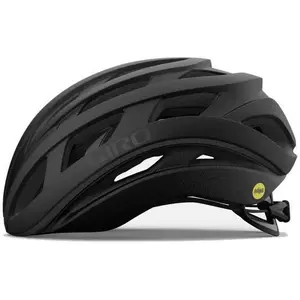
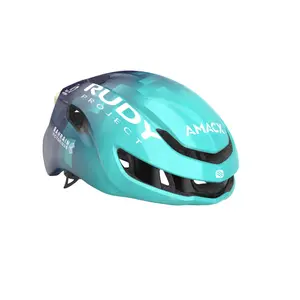

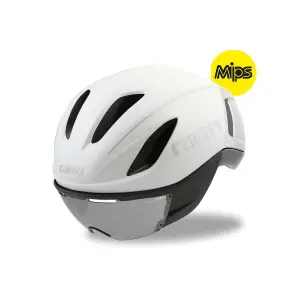


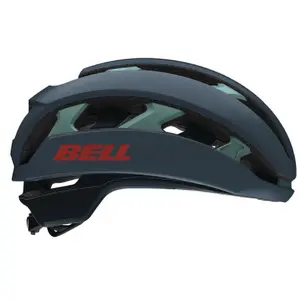
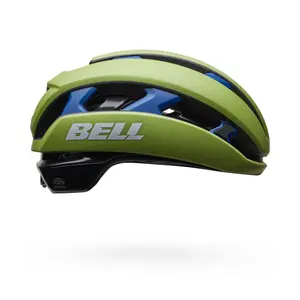
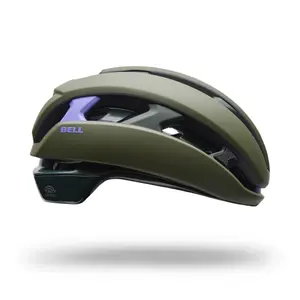
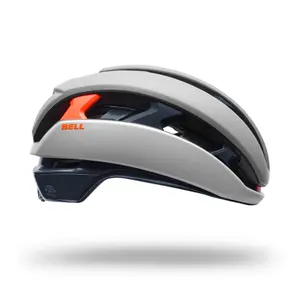
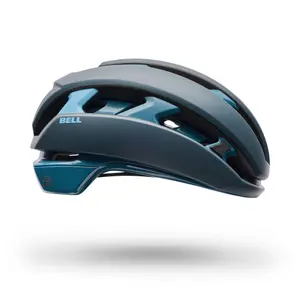
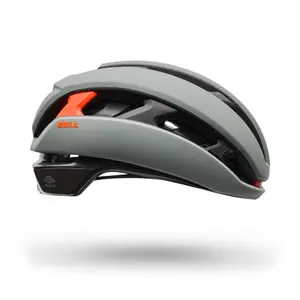
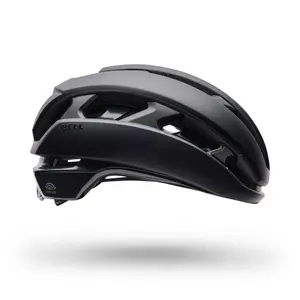
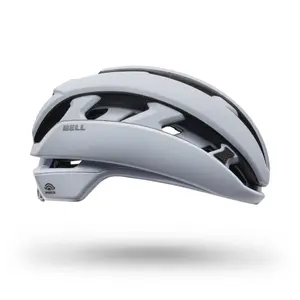
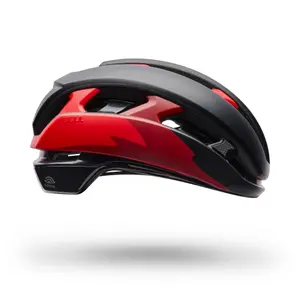
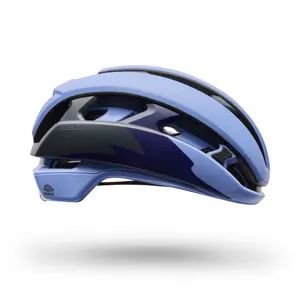


A gravel helmet should ventilate at a moderate pace, when you're climbing a white path in full sun, stay stable on rough sections and be forgotten during long days. This page mainly features road-type helmets, including several models designed for gravel and adventure: choose based on ventilation, protection against rotation, and your head size.
Which helmet to choose for gravel riding?
For gravel, the best choice is a road-type helmet that is well-ventilated and comfortable for long durations, rather than an aero model designed for speed. On dirt paths, you ride slower than on asphalt, often climbing on exposed trails and sometimes riding for multiple days: the air needs to circulate even at low speeds, the shell must stay in place when the bike vibrates over the stones, and the adjustment should remain comfortable after six or eight hours. Some brands design helmets for this activity, like the Limar Air Stratos, the Giro Agilis MIPS, or the Sweet Protection Outrider MIPS, alongside more traditional road helmets.
Ventilation, coverage, weight: what gravel requires
- Low-speed ventilation: on an uphill path, the air comes in slowly. Large openings at the front and channels carved into the foam dissipate heat better than an almost closed aero shell. Giro has 32 vents in the Agilis MIPS, while Urge features 21 in the TourAir.
- Coverage: gravel riding risks falls on uneven ground. A helmet that comes down a bit lower at the back of the head is reassuring, without going as far as the fully-enclosed shell and visor of a mountain bike helmet.
- Weight and comfort: over a long day, your neck appreciates every gram saved. Limar claims 240 g in size M for the Air Stratos, and Giro 280 g for the Agilis MIPS. Thick, washable foams matter as much as weight for bikepacking.
- Visibility: gravel routes also use roads open to traffic. A light colour or reflective details make you more visible at dusk or in wooded areas.
MIPS gravel helmet: protection against rotation
The European standard EN 1078 sets a common baseline for all bicycle helmets: shock absorption, strap strength, and field of vision. It does not replicate oblique impacts, which are common when the front wheel slides on gravel and the head hits the ground at an angle. MIPS versions include a low-friction layer that allows the helmet to move a few millimetres around the head at the moment of impact.
Each brand incorporates it in its own way: POC places its Mips Air Node layer beneath the comfort foams of the Omne Air, Giro mounts the Mips Evolve Core version on the Agilis, and Limar offers the Air Stratos in a + MIPS version. On this page, the same model often exists with and without this system: compare the two references before choosing.
Size and adjustment for long rides
Measure the circumference of your head at the forehead, at its widest, and compare it with the grid of the intended model: sizes do not overlap from one brand to another. Limar offers the Air Stratos in M from 53 to 57 cm and in L from 57 to 61 cm, while Urge offers the TourAir in S/M from 54 to 58 cm and in L/XL from 58 to 62 cm.
When gravel riding, try the helmet on with what you will wear on the bike: a headband or a thin cap when it’s cool, large-screen glasses. It should stay in place when you shake your head, without any pressure points after an hour. For self-sufficient trips, prefer an adjustment wheel that is easy to manipulate with gloves and foams that you can wash at the stage.
Road, MTB or urban helmet: compare before choosing
If you split your time between asphalt and trails, the road bike helmets include the lightest and most aerodynamic models. For technical trails and challenging descents, a MTB helmet offers more coverage and protection from branches. For daily commutes, urban helmets focus on visibility. The rest of your gear, from gravel glasses to gravel gloves, can be found in gravel gear.
Which gravel helmet brands to choose?
Limar presents the Air Stratos as an all-terrain helmet for fast gravel and adventure, built for the thousands of kilometres of bikepacking: double In-Mold shell, 15 vents, internal channels and height-adjustable AirFit, with a + MIPS version.
POC designed the Omne Air MIPS to do it all, from daily commutes to long rides on the road or gravel: slim profile, 360-degree adjustment, and a designated spot for storing glasses while you ride.
Giro classifies the Agilis MIPS among its road and gravel training helmets: In-Mold shell that encloses all the foam, 32 Wind Tunnel vents, and Roc Loc 5 adjustment.
Sweet Protection, born in Trysil, Norway, around a group of kayakers and skiers, aims the Outrider MIPS at smooth roads as well as the roughest gravel tracks; it is EN 1078 and CPSC 1203 certified.
Urge, a French bicycle equipment brand, places the TourAir in its road and gravel range: 21 vents, washable foams, micrometric adjustment, and two sizes covering from 54 to 62 cm.
Where to find a gravel helmet on sale?
A change of colour or generation is enough for a road or gravel helmet to join the road clearance section. The latest helmets introduced are included among the new arrivals. Also, look out for summer sales and the French Days, just before long rides on the trails.
Frequently asked questions
Does gravel need a specific helmet?
No, a well-ventilated road helmet is suitable for most gravel rides. Models designed for this activity prioritise low-speed ventilation, comfort over several hours, and a shell that offers a bit more coverage. If you mostly ride on smooth paths, start with your current road helmet and replace it when it reaches the end of its life.
Should a gravel helmet have a visor?
Rarely: most gravel helmets do not have one, and glasses better protect against dust and debris when you are riding with your torso leaning forward. The visor is typically the domain of MTB helmets, which are useful in wooded areas where branches whip your face.
Can a MTB helmet work for gravel?
Yes, especially a lightweight and well-ventilated cross-country model if your routes involve technical trails. On long smooth sections, a gravel or road helmet is often lighter and better ventilated. Choose based on the terrain you frequent the most.
Can you wear a cap under a gravel helmet?
Yes, a thin cycling cap or headband fits under most helmets, provided you loosen the adjustment wheel and then readjust. The helmet should remain stable and not shift backward. If you frequently ride this way in winter, try the size with the cap on.
What gravel helmet is suitable for a woman?
Most gravel helmets are unisex: only the size matters, chosen based on head circumference. Small sizes start around 51 cm with Giro, whose Agilis MIPS comes in S from 51 to 55 cm. Also, check the accommodation for a ponytail at the back cradle during fitting.







