
Road bike helmet: lightweight, aero and MIPS


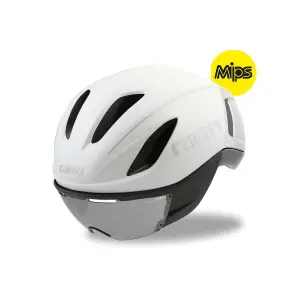


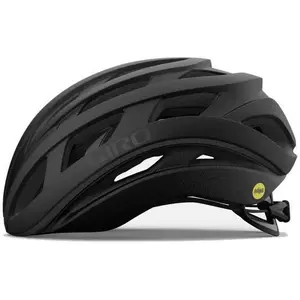


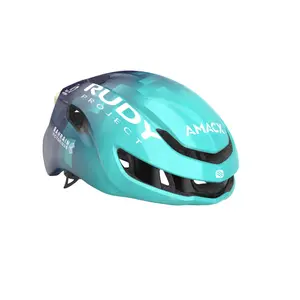


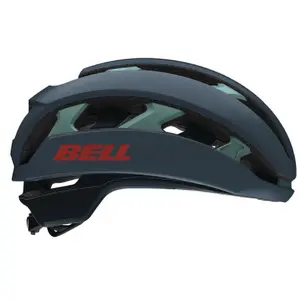
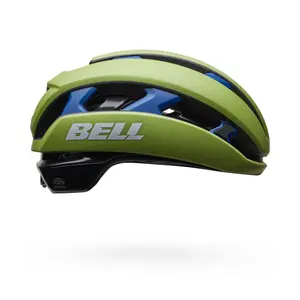
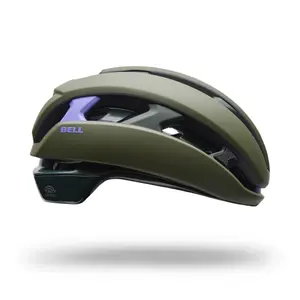
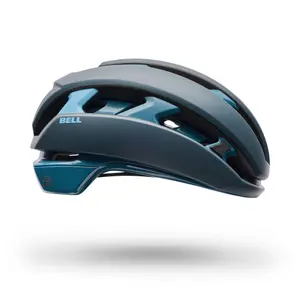
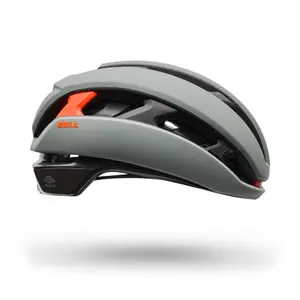
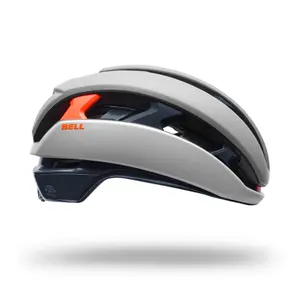
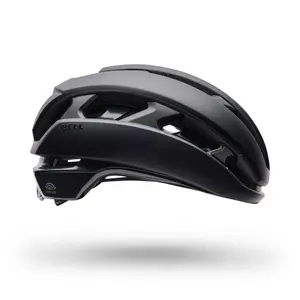
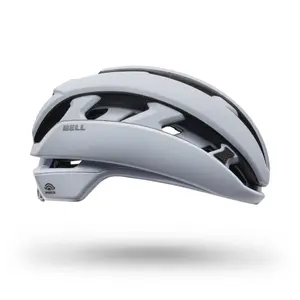
A road bike helmet should protect you without weighing you down or overheating over several hours of effort. Choose between a well-ventilated model for the mountains and hot weather, an aero model for speed or a compromise between the two, with or without a system against rotational impacts, then check the size against your head circumference. Replacement pads and visors are also on this page.
Why a dedicated helmet for road cycling?
On the road, efforts last a long time and speeds are high: the helmet has to shed heat, stay stable when you drop your head into the wind and put as little weight as possible on your neck. Road helmets achieve this with a thin outer shell fused to the foam during moulding, large vents and precise rear adjustment. They differ from mountain bike helmets, which come lower down the back of the head and have a peak, and from city helmets, which are more enclosed and designed to be seen.
Ventilated, aero or all-round: which road bike helmet should you choose?
A well-ventilated helmet multiplies its openings and carves internal channels so that air flows over the whole head: the choice of climbers and of rides in hot weather. The lightest models weigh under 200 g in size M, a real comfort after several hours.
An aero helmet closes some of its vents and lengthens its shape so that air slides along the shell: it saves time at high speed, at the expense of ventilation on slow climbs. Between the two, many recent models seek a balance with a few large, well-placed vents and a truncated tail. For time trials and triathlon, TT helmets with an elongated shape and an integrated visor take this logic all the way.
EN 1078, MIPS, KinetiCore: understanding protection
To be sold in the European Union, a bicycle helmet must carry the CE mark and comply with the EN 1078 standard, which tests impact absorption, the strength of the chin strap and its fastenings, the field of vision and the information provided to the user; in the United States, bicycle helmets must meet the CPSC safety standard and carry a label certifying it. These regulatory tests involve direct impacts, whereas a road bike crash often throws the head at an angle against the road surface, setting it spinning.
Several solutions target these rotational forces. MIPS, developed in Sweden and widely used, inserts a low-friction layer that allows 10 to 15 mm of sliding in all directions between head and helmet. Lazer houses deformable blocks called KinetiCore in its foam, while Kask puts its helmets through its own oblique impact test, the WG11. Whatever the technology, a poorly fitted helmet loses much of its effectiveness.
Size and fit: a road bike helmet you forget you are wearing
Measure your head circumference with a tailor's tape measure placed just above your eyebrows and passing over the most prominent part of the back of your head. Check the value against the brand's size chart and, if you are on the borderline between two sizes, try both. Then check in your riding position, head raised: the helmet should neither tip onto your forehead nor press on the frame of your glasses.
The rear cradle, often height-adjustable, is tightened with a dial to hold the helmet without squeezing. The straps meet just below the earlobe, and the fastened chin strap should not hinder swallowing. Many road helmets have vents where you can stow your glasses on a climb. After a crash involving an impact, replace the helmet even if it looks intact: crushed foam does not recover its shape.
Other helmets and road cycling gear
For the trails, mountain bike helmets offer more coverage and have a peak; for getting around town, city helmets focus on visibility and lighting. The rest of your kit, from road cycling shoes to gloves, is gathered in road cycling gear.
Which road bike helmet brand should you choose?
Met, an Italian manufacturer, offers its Trenta 3K Carbon, a polycarbonate shell reinforced with a carbon frame, in limited editions in the colours of the UAE Team Emirates team and Tadej Pogačar; the Rivale MIPS is its lightweight aero model.
Rudy Project, the Treviso brand first known for its sports eyewear, developed the Nytron in the wind tunnel with the aerodynamicists of Swiss Side; The Wing, its time trial and triathlon helmet, has a removable magnetic visor.
Lazer, a Belgian brand and one of the oldest helmet makers, builds its KinetiCore protection into road models such as the Tonic or the Codax, and offers the Genesis in a MIPS version.
POC, a Swedish brand, prefers a few very large vents to a multitude of small holes: the Ventral Air MIPS is known for its ventilation through internal channels, the Octal MIPS for its wraparound shell that holds your glasses at the front.
Abus, a German group specialising in security, designed the GameChanger 2.0 with the riders of the Movistar team: truncated tail, Aero Blade grille at the front and a MIPS version with a magnetic buckle.
Limar, an Italian maker of helmets and eyewear, has made lightness its signature: the Ultralight Evo weighs under 200 g in size M, and the Air Speed and Air Stratos complete the range.
Where can you find a road bike helmet on sale?
A discontinued colour or a new generation is enough for a helmet to join road helmet clearance; newly listed models are in new arrivals. Black Friday and the winter sales are good times to replace a helmet before the riding season gets going again.
Frequently asked questions
Is it compulsory to wear a helmet on a road bike?
In the UK, the law does not require cyclists to wear a helmet, but the Highway Code advises wearing one that meets current regulations, is the correct size and is securely fastened. Rules vary from one country to another, so check those that apply where you ride. A helmet is, however, required in racing and by the rules of most sportives, and remains strongly recommended on every ride.
How much does a road bike helmet weigh?
Most weigh between 200 and 300 g depending on size. Models focused on lightness go below 200 g, aero helmets tend to sit at the top of that range, and adding a rotational protection system accounts for a few dozen grams.
Should you choose a road bike helmet with MIPS?
It is not compulsory, but protection against rotational impacts provides a safety margin that the EN 1078 standard does not measure. MIPS is not the only answer: other manufacturers build in their own solution. For equivalent protection, go for the helmet that fits you best.
Can you add a visor to a road bike helmet?
Classic road helmets do not have one: glasses protect your eyes without obstructing your vision when your upper body is leaning forward. Time trial helmets and some aero models, on the other hand, have an integrated visor. The visors offered on this page are replacement parts for specific models: check compatibility before ordering.
Is a road bike helmet suitable for gravel or mountain biking?
For gravel and cross-country on smooth tracks, a well-ventilated road helmet is fine. As soon as you ride technical trails, a mountain bike helmet, which covers the back of the head and the temples better and protects you from branches with its peak, is better suited.







