
Cycling backpacks for commuting and MTB


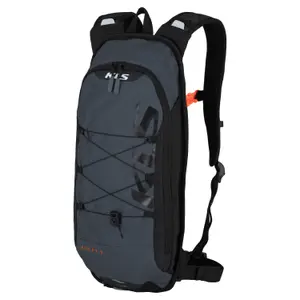

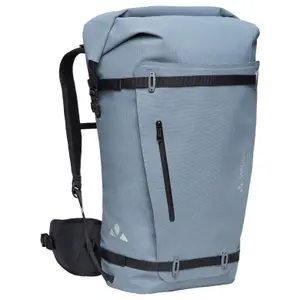
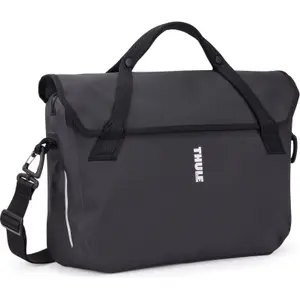
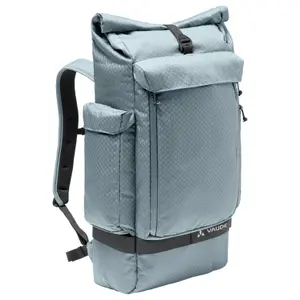
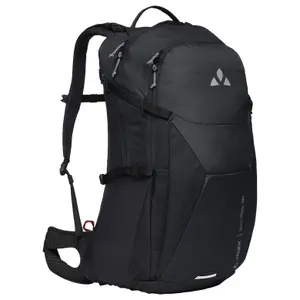
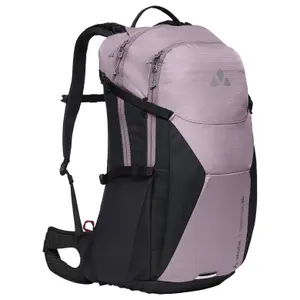
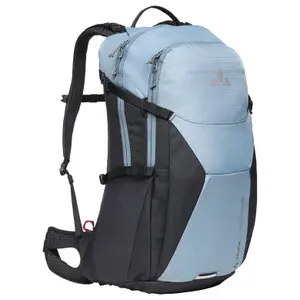
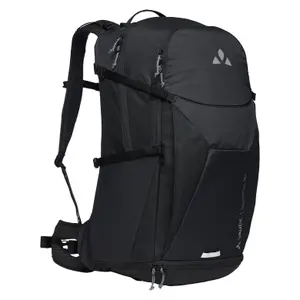
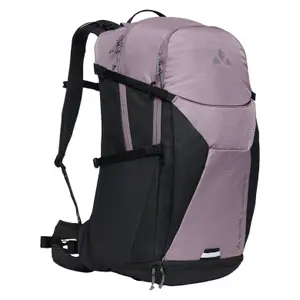
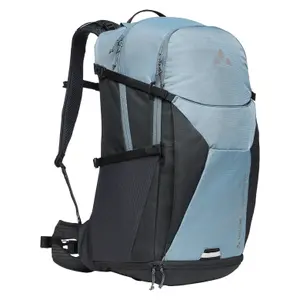
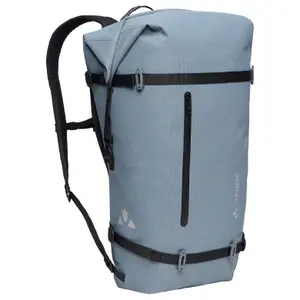


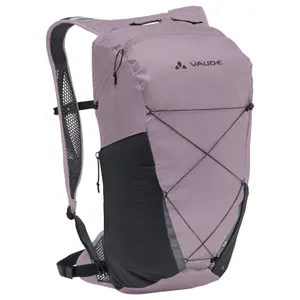


A cycling backpack stays stable while you pedal, ventilates your back and makes you visible at night. For riding to work, aim for around 20 litres with a padded laptop pocket; for mountain biking, a more compact pack with a hydration bladder, sometimes with a built-in back protector. Shoulder bags and rain covers complete this page.
What sets a cycling backpack apart from an ordinary bag?
Leaning over the handlebar, you put different demands on a bag than when walking: it has to stay in place through corners and accelerations, without riding up onto your neck or knocking against your helmet. Bags designed for cycling combine shaped shoulder straps, a chest strap and often a hip belt, a ventilated back panel, with a tensioned mesh or foam carved with channels, and details specific to cyclists: reflective strips, a loop for a rear light, a helmet holder and a built-in rain cover.
Commuting, MTB or road: which backpack for which riding?
- Commuting and city: 15 to 25 litres, a padded laptop compartment, storage pockets and easy access when you arrive; roll-top models cope better with rain.
- MTB: 10 to 20 litres, a hydration bladder, storage for tools and protective gear; some packs include a back protector.
- Road and gravel: a compact hydration pack, for a long ride without an extra bottle.
- Carrying kit: travel bags and helmet bags, to take your clothing and shoes to the start of a race.
Volume, back length and adjustments
Start from what you carry every day and leave some room for a rain jacket. Back length matters as much as volume: a bag that is too long weighs on the lower back, one that is too short pulls on the shoulders. Several manufacturers make women's versions of their models, with a shorter back and narrower shoulder straps. Once the bag is loaded, pull it close to your back by tightening the shoulder straps, fasten the chest strap and pack heavy items as close to your back as possible.
Rain, darkness, laptop: getting your backpack ready for the city
A coated fabric combined with a roll-top closure keeps the rain out; a fabric that is only water-repellent needs a waterproof cover, often stowed in a pocket at the bottom of the bag, which also adds a bright, visible surface. At night, reflective details on the sides and back add to the bike's lights. For a laptop, check the screen size the sleeve accepts and look for a raised base, which protects it when you put the bag down on the ground.
Backpack or pannier: how do you choose?
A backpack goes everywhere with you and suits bikes without a rack; a pannier takes the strain off your back as soon as the load goes beyond a few kilos. In between, convertible bags are worn on your back and then hook onto the rack with retractable hooks. Bags that attach to the bike are gathered in commuter bike bags. To take a child along, see child bike seats and bike trailers; to carry the bike itself, bike carriers.
Which cycling backpack brands should you choose?
Camelbak, which claims to have invented the hands-free hydration pack, fits the Fourteener 30, a women's-fit pack, with a 3-litre Crux reservoir and a tensioned back panel that keeps the bag away from your back; the more compact Octane 12 takes a 2-litre reservoir.
VAUDE, a German family company based near Tettnang, gives its Green Shape environmental label to the Cycle 20 II, a backpack that also hooks onto the rack and holds a 15.6-inch laptop, and to the TrailControl, an MTB pack with an adjustable back length.
Kellys, the largest Slovak bike manufacturer, offers compact packs for mountain biking: the Apex, in nylon, keeps the water reservoir separate from the tool storage, and the Adept pairs a ventilated back panel with a mesh helmet holder.
Evoc, a Munich brand, designs the Stage 12 for mountain bike rides, with a ventilated back panel and a tool pocket, and the lighter Ride, which moves from sport to everyday commuting.
Basil adapts its Hook-On system to backpacks: the B-Safe Commuter hooks onto the rack with adjustable hooks, and its Nordlicht LED strip adds to the bike's lighting.
Ergon, a Koblenz manufacturer known for its ergonomic grips, supplies its BA3 E Protect enduro pack with a back protector certified to the EN 1621-2 standard and a compartment for an e-bike battery; the BX2 Evo adjusts its carrying system in four directions.
Cycling backpacks on sale
Bags from previous collections move to our city bike bag clearance, while the latest arrivals are listed in new arrivals. A bag worn out by daily commuting is well worth replacing during the summer sales or on Black Friday.
Frequently asked questions
What size of backpack do you need for cycling to work?
For a laptop, a meal and a change of clothes, allow 18 to 25 litres. A 10 to 15-litre bag is enough if your things stay at the office. Beyond 25 litres, the bag becomes heavy on your back: a pannier is then more comfortable.
How do you avoid arriving with a sweaty back?
A ventilated back panel, with a tensioned mesh that holds the bag away from your back or foam carved with channels, reduces sweating without eliminating it. Do not overload the bag, ease off over the last few kilometres and keep a spare T-shirt. For heavy loads, a pannier remains the coolest solution.
What is a hydration backpack?
It is a pack with a soft water bladder, slipped into a dedicated compartment, whose tube runs along a shoulder strap and ends in a bite valve: you drink without letting go of the handlebar. Rinse the reservoir after every ride and leave it open to dry to avoid odours.
Do women need a specific cycling backpack?
It is not essential, but women's versions have a shorter back, narrower shoulder straps and a hip belt that sits better on the hips. They also suit shorter riders. Try the bag loaded and adjusted: the weight should press neither on your chest nor on your neck.
How do you clean a cycling backpack?
Empty it, brush off dried mud, then wash it by hand in lukewarm water with a mild soap; avoid the washing machine, which damages coatings and foam. Leave it open to dry, in the shade. Clean the water reservoir separately, with a bottle brush or tablets designed for the purpose.







