
Cycling accessories: gloves, socks and overshoes
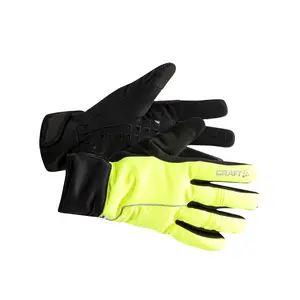
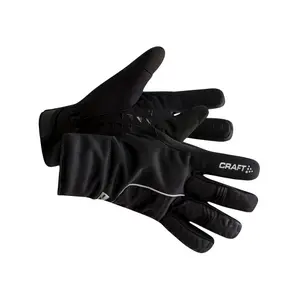
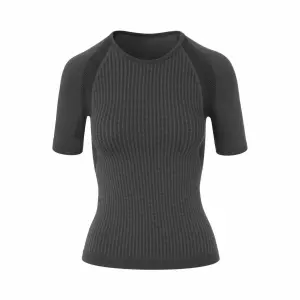
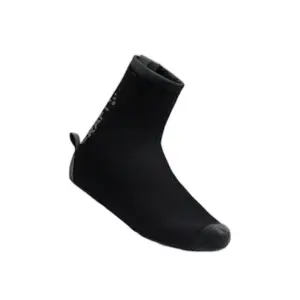
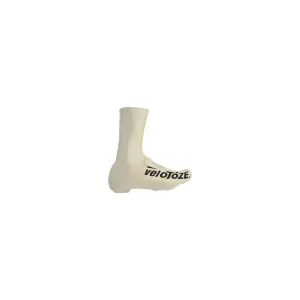
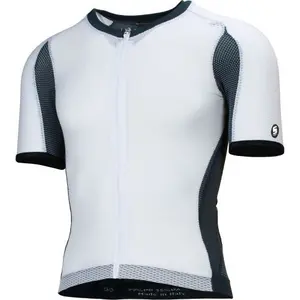
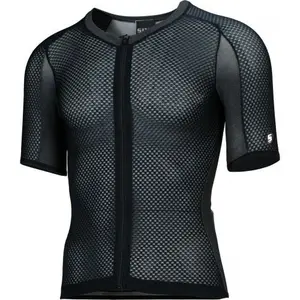
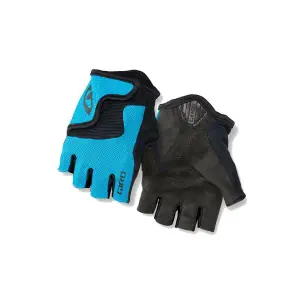
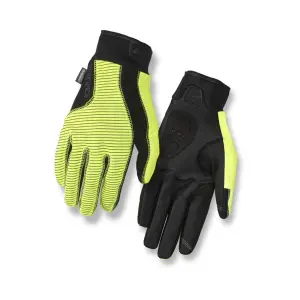
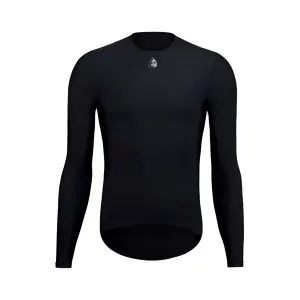

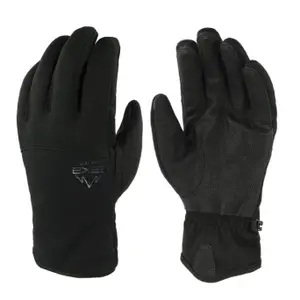
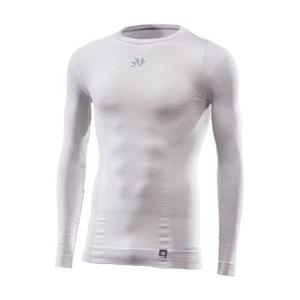
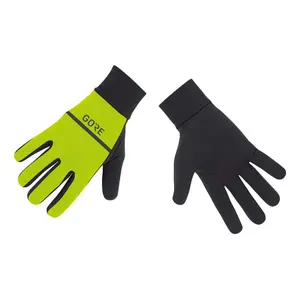

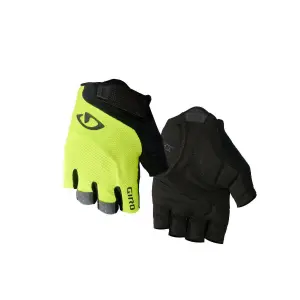
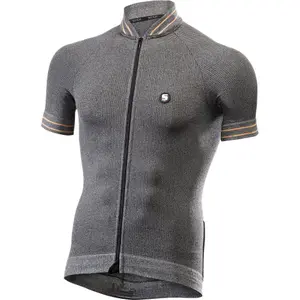
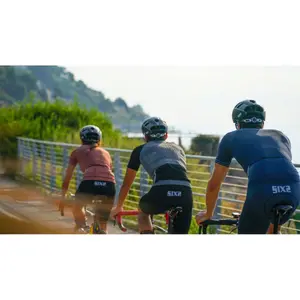
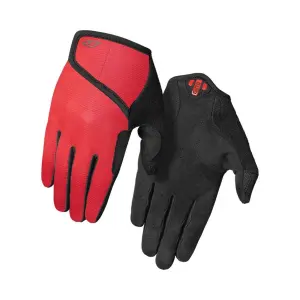
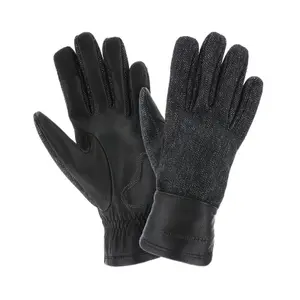
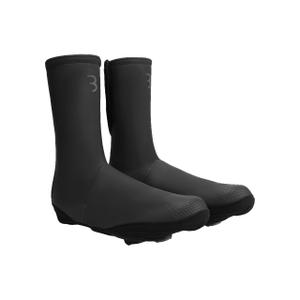
Cycling accessories make all the difference on a daily commute in cold or wet weather: gloves that keep your fingers nimble on the brakes, socks or overshoes that protect your feet, a neck warmer and a thin skull cap under your helmet, and a base layer that wicks sweat away before you reach the office.
Which accessories for riding in town all year round?
- Above 15 °C: mitts or padded short-finger gloves, thin breathable socks, a light base layer if you carry a backpack.
- Between 7 and 15 °C: light full-finger gloves, a neck warmer, thicker socks.
- Below 7 °C: insulated windproof gloves, a thin skull cap under your helmet, overshoes, a thermal base layer.
- In the rain: waterproof socks, waterproof overshoes, gloves with a membrane.
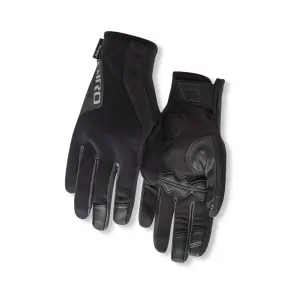
Brands often state a temperature range: Giro, for example, designs its Blaze 2 glove for 7 to 13 °C.
Cycling gloves: warmth, grip and touchscreen use
On a bike, your hands stay still in the wind: they get cold before the rest of your body. A winter cycling glove combines a windproof layer, such as Windstopper, with insulation that must not hamper your grip on the levers. Touchscreen-compatible fingertips save you taking your gloves off to check a route. In summer, a padded glove filters out vibration from cobbles: on its Essential Padded, Mavic combines 2 mm of foam with 3 mm of gel. Measure the circumference of your hand and check it against the brand's size chart; a glove that is too tight gets cold faster.
Keeping your feet dry: waterproof socks and overshoes
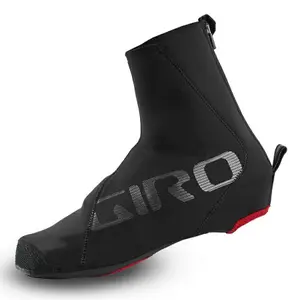
Waterproof socks slip a membrane between two knitted layers: they keep your foot dry inside a wet everyday shoe, provided water does not get in from the top, hence the value of waterproof trousers that cover the ankle. Overshoes are worn over the shoe: in neoprene, like the Giro Proof, with a YKK zip and reflective strips, they keep out wind and rain; their open sole leaves room for the cleat. For comfort, Xtenex elastic laces adapt as your feet swell during effort.
Base layer, neck warmer and skull cap
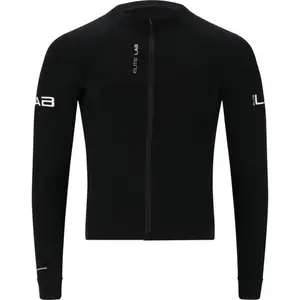
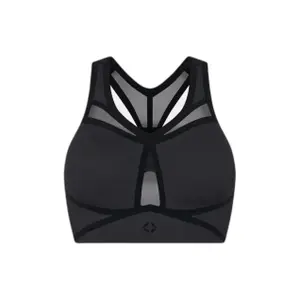
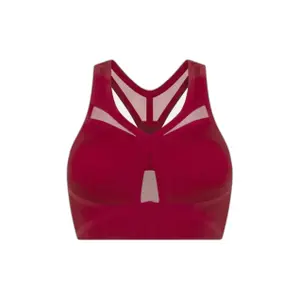
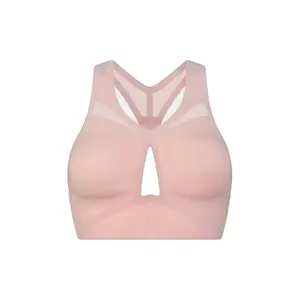
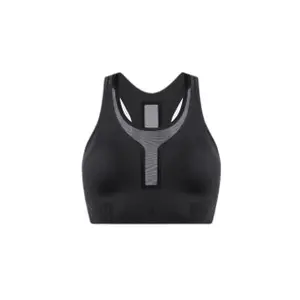
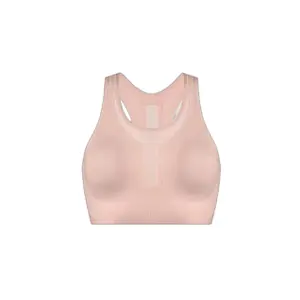
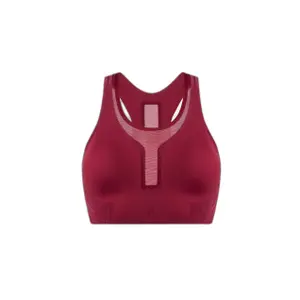
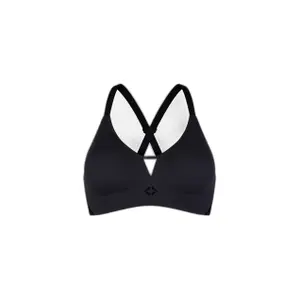
The layer worn next to your skin decides how comfortable you are when you arrive. A technical base layer wicks sweat away instead of absorbing it like cotton: in synthetic fibres, it dries quickly; in merino wool, it stays warm when damp and limits odours. A neck warmer protects your throat and pulls up over your chin in very cold weather. Under your helmet, a thin skull cap shields your forehead and ears from the cold wind, provided you then tighten the helmet's dial again. Sports bras complete the range for women riders.
Road and MTB clothing accessories
For sportier rides, see road cycling accessories and MTB clothing accessories. For a complete wet-weather outfit, add a rain jacket or poncho and waterproof trousers; for your feet, cycling trainers and sneakers go well with overshoes.
Cycling accessory brands
Giro states a temperature range for its gloves, such as the touchscreen-compatible Blaze 2, and offers the Proof overshoe in neoprene, with a YKK zip and walking pads.
Shimano combines wind protection and insulation in its Windstopper Insulated glove, and offers Dual Fit and S-Phyre overshoes as well as S-Phyre socks in recycled polyester or merino wool.
Mavic, the brand from Annecy, combines foam and gel in its Essential Padded glove and extends the Essential line to socks.
Roeckl, the Munich glovemaker, cuts the Rainau from a warm, touchscreen-compatible Polartec Power Stretch Pro and protects the Ravensburg from the wind with a Gore-Tex Infinium Windstopper membrane.
Sixs weaves carbon filaments into its base layers, a fabric called Carbon Activewear, designed to regulate temperature: the Serra, with an open mesh, is aimed at hot weather, and the TS range comes with long sleeves or in merino.
Dexshell places a Porelle membrane in its waterproof, breathable socks, from the Ultra Thin with its bamboo lining to the Thermlite and Hytherm Pro models, and also offers ThermFit gloves.
Cycling accessories on sale
End-of-line gloves, socks and overshoes are flagged in our city clothing clearance, and new references in new arrivals. During the winter sales, warm gloves are already earning their keep every morning.
Frequently asked questions
How do you keep your hands warm without losing feel on the brakes?
Choose a windproof glove with moderate insulation rather than a thick mitten, and match it to the temperature range given by the brand. In very cold weather, a thin liner glove under a windproof glove keeps your dexterity better than a single very thick glove.
Are waterproof socks enough in the rain?
They keep your feet dry as long as water does not run inside at the ankle. Wear them under waterproof trousers that cover their cuff, or add overshoes in a heavy downpour.
Do you need a special cap under your helmet?
A thin cap without a bobble, or an under-helmet liner, slips on without lifting the helmet. Once it is on, readjust the rear dial so that the helmet stays stable.
Merino or synthetic for a base layer?
Merino stays warm even when damp and limits odours, an advantage if you do not get changed when you arrive. Synthetic dries faster and suits short, intense journeys.
How should you wash technical gloves and socks?
At 30 °C, without fabric softener, which clogs the pores of membranes, then air-dry away from radiators. Follow the care label for leather gloves.







