
Bike wheel parts: hubs, spokes and valves
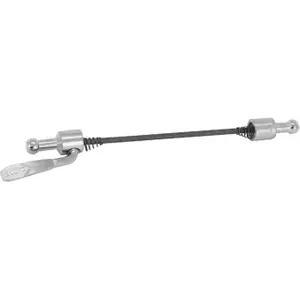
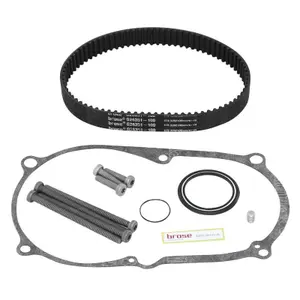
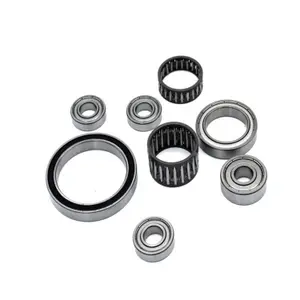
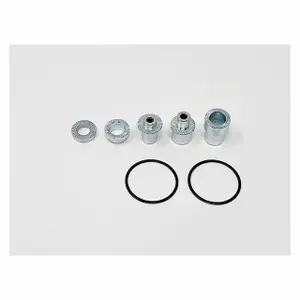
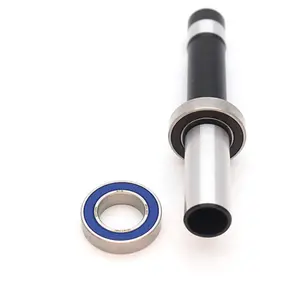
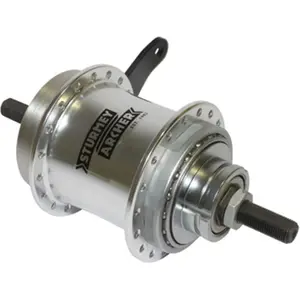
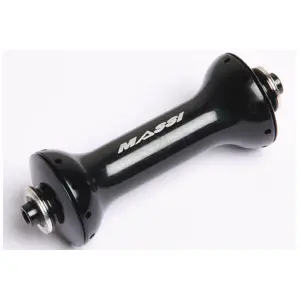
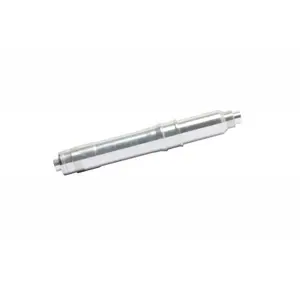
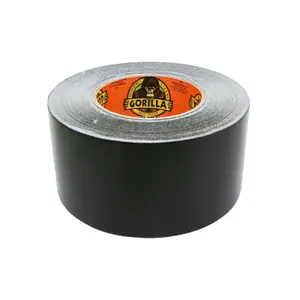
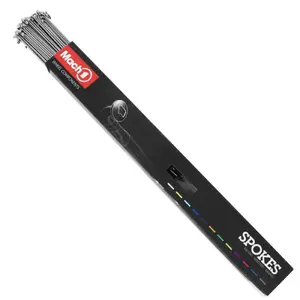
Bike wheel parts let you repair a wheel rather than replace it: hubs, stainless steel spokes and nipples, rim tape, valves and caps, wheel axles, quick releases, bearings and inserts. First note your wheel's measurements, size, number of holes, axle spacing and axle type, then choose the matching part.
What do bike wheel parts include?
A bike wheel is made up of a hub, a rim and the spokes that connect them, plus the axle, the rim tape and the valve. This page brings together all these parts: front, rear, hub gear and dynamo hubs, stainless steel spokes and nipples, rim tape, valves and caps, wheel and hub axles, quick releases, anti-pinch inserts and bearings. The complete wheel, the rim on its own and what goes on it have their own pages: bike wheels, rims, bike tyres, tubular tyres and inner tubes, all filed under wheels and tyres.
Hubs: spacing, axle and brakes
A hub is chosen according to the number of holes in the rim, often 28, 32 or 36, the spacing of the frame or fork, the axle type and the brake mounting. At the front, the usual spacing is 100 mm, or 110 mm on Boost forks; at the rear, 130 or 135 mm with a quick release, 142 or 148 mm with a thru-axle. A disc brake is fixed with six bolts or with a Centerlock lockring, and the rear hub carries the freehub body that suits the cassette.
Hub gears, such as Shimano Nexus with 3, 7 or 8 speeds, house the gearbox inside the hub: they need little maintenance and let you change gear while stationary, an advantage in town. Dynamo hubs produce the power for your lights as you ride, with no batteries needed.
Bike spokes: length, profile and head
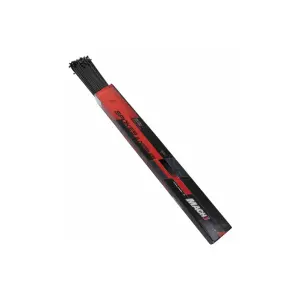
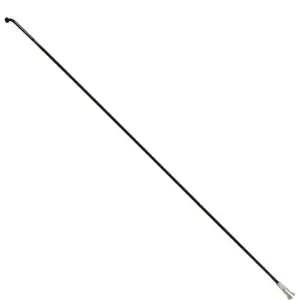
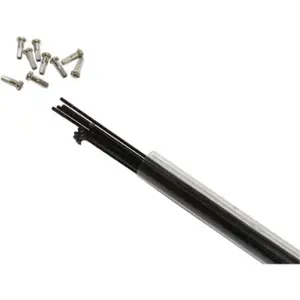
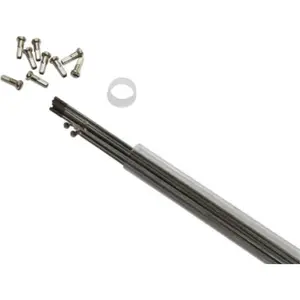
To replace a broken spoke, take the same length, measured in millimetres from the inside of the bend to the threaded end, and the same profile. Most stainless steel spokes are 2 mm in diameter; double or triple butted spokes are thinner in the middle to save weight and add flexibility, and bladed spokes improve aerodynamics. The head is bent on most hubs, straight on dedicated straight-pull hubs. Then retension the wheel: spoke tension determines its stiffness and trueness.
Rim tape, valves and inserts
Rim tape covers the spoke holes to protect the inner tube; its width matches the inner width of the rim. Adhesive braided cotton tapes and high-pressure strips suit set-ups with a tube, while tubeless tape seals the rim so you can ride without a tube. The thin Presta valve is fitted to road bikes and most mountain bikes, the Schrader valve, identical to a car valve, to many city bikes and entry-level mountain bikes; a tubeless valve must be long enough for the depth of the rim. Inserts, slipped into the tubeless tyre, limit pinch flats and protect the rim.
Axles, quick releases and bearings
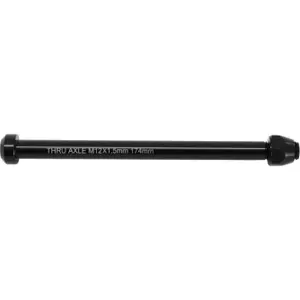
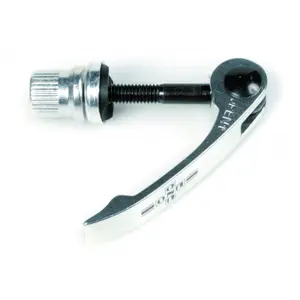
A thru-axle is ordered according to its diameter, 12 or 15 mm, its length and its thread pitch, specific to the frame or fork. A quick release is chosen according to the spacing, 100 mm at the front, 130 or 135 mm at the rear. Hubs with cartridge bearings are restored by changing the bearings, identified by a standard reference, while cup and cone hubs can be dismantled, greased and adjusted to remove play.
Which brands of bike wheel parts?
Shimano mainly supplies its Nexus hub gears and their parts here, as well as dynamo hubs and complete hub axles for its wheels.
Sun Ringlé, a brand of the American Hayes group, offers its Bubba and SRC hubs, its wheel axles and a tubeless rim tape.
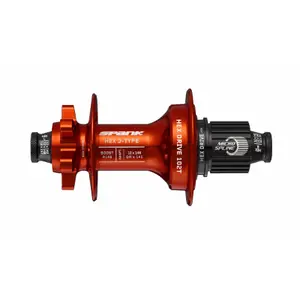
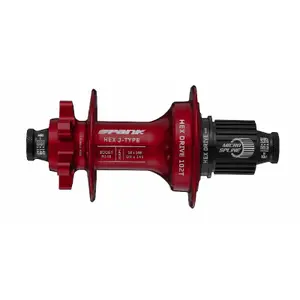
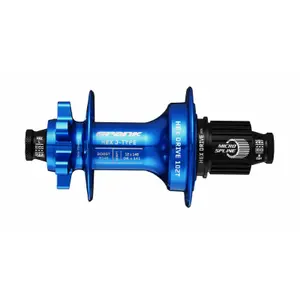
Spank offers its Hex J-Type rear hubs in Boost spacing, with a Shimano HG, Micro Spline or SRAM XD body.
Velox, a French manufacturer from La Guerche-de-Bretagne, is the reference on this page for rim tape: adhesive braided cotton from 16 to 22 mm, high-pressure and tubeless, as well as stainless steel J-bend spokes.
Mavic supplies the parts for its own wheels: spokes specific to each model, MR801 hubs and Speed Release thru-axles.
DT Swiss offers its stainless steel spokes, the straight-gauge Champion, the double-butted Competition and the Alpine, reinforced near the head, sold singly or in boxes of a hundred, as well as an adapter to convert a thru-axle front wheel to a quick release.
Wheel parts on sale
End-of-line hubs, axles and stainless steel spokes join spare parts clearance; the latest references added are in new arrivals. Take advantage of the winter sales to prepare your wheels during the off-season.
Frequently asked questions
How do you find the length of a spoke?
Measure an intact spoke on the same side of the wheel, from the inside of the bend to the end of the thread. Lengths often differ between front and rear, and between the two sides of a rear wheel or a disc wheel.
Which width of rim tape should you choose?
Take a width equal to the inner width of the rim, or very slightly less: the tape must cover all the spoke holes without riding up the sidewalls. The inner width is often engraved on the rim.
What is the difference between Presta and Schrader valves?
The Presta is thinner, is unscrewed before inflating and withstands high pressures; it needs a rim hole of around 6.5 mm. The Schrader, wider, is inflated with a car-type pump head and needs a hole of around 8.5 mm.
Can you replace a hub without changing the rim?
Yes, provided the new hub has the same number of holes. The spokes will often need to be recalculated and replaced if the flange diameter or spacing differs: a workshop can take care of it.
My hub has play: what should I do?
On a cup and cone hub, adjusting the cones is often enough; if they are pitted, change the cones and balls. On a hub with cartridge bearings, replace the bearings with models of the same reference.