
Hi-vis cycling vests for adults and kids


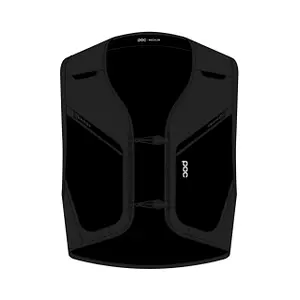


A hi-vis cycling vest makes you visible from a distance, by day thanks to its fluorescent colour and at night thanks to its reflective strips. In the UK, the Highway Code advises cyclists to wear light-coloured or fluorescent clothing in daylight and poor light, and reflective clothing or accessories in the dark. Adult and kids' vests, waterproof or breathable, and protection vests for mountain biking are gathered here.
Do cyclists have to wear hi-vis?
The rules vary from one country to another. In the UK, the Highway Code does not make it a legal requirement: it notes that light-coloured or fluorescent clothing helps other road users to see you in daylight and poor light, and that reflective clothing or accessories, such as a belt, arm or ankle bands, increase your visibility in the dark. Elsewhere, check the rules that apply where you ride. Even where it is not required, a hi-vis vest remains a simple way of getting noticed in traffic, particularly in winter, when morning and evening journeys take place in the half-light. It complements your lights without replacing them: in the UK, at night your bike must have white front and red rear lights lit and be fitted with a red rear reflector.
Fluorescent and reflective: two ways of being seen
A high-visibility vest combines two materials with different roles. Fluorescent fabric, yellow or orange, stands out in broad daylight and at dusk, when natural light fades. Retroreflective strips, on the other hand, send the light from headlights back towards the approaching driver: that is what makes you visible at night. The more the strips cover your shoulders, back and chest, the more easily your silhouette can be read from a distance and from different angles. A garment that is simply fluorescent, without reflective strips, therefore only plays part of the role.
How to choose a hi-vis cycling vest
- The cut: a vest designed for cycling is longer at the back and does not flap in the wind, unlike a standard hi-vis vest.
- The size: it is worn over a jacket in winter; check that it stays close-fitting without hindering the movement of your arms.
- The closure: a zip holds better on the bike than a simple hook-and-loop strip.
- The use: an open mesh model for summer commutes, a waterproof model for the rain, a compact vest to slip into a bag for daytime rides that run late.
- Children: kids' sizes exist, with designs they like better, for family rides and the school run.
Some vests incorporate lights or indicators to signal a change of direction: they add to the bike's lights rather than replacing them.
Protection vests: for mountain biking and BMX
This page also features protection vests, which are a different kind of garment: they incorporate a back protector and soft or hard plates on the chest to protect the upper body in crashes when riding downhill, enduro or BMX. They are worn under the jersey and often come in kids' sizes for young riders. For more coverage, chest protectors add a shell over the chest and shoulders.
Other protection for cyclists
To complete your kit, elbow pads and knee pads protect the joints most exposed in a fall, and cycling glasses shield your eyes from the wind and from spray. All protective equipment is brought together in cycling protection.
Which hi-vis and protection vest brands to choose?
Shot Race Gear, a French off-road equipment brand whose development has been built with motocross riders, offers protection vests such as the Airlight and the Optimal 2.0, and vests with D3O protection in short or long sleeves.
Wowow devotes a wide range to high-visibility vests: adult models such as the Roadie or the Navigator Premium, a waterproof version with the Stelvio 2.0 and the Fun and Nutty kids' vests.
Kellys, a bike manufacturer that also equips cyclists, offers safety vests for children, the Starlight Friends, Rider and Traffic.
Met, an Italian helmet maker, offers the Venture protection vest here.
Hi-vis vests and protection on sale
Vests from previous collections and end-of-line protection are gathered in cycling protection clearance, and new models in new arrivals. The return to school and the arrival of shorter days are the right time to equip the whole family before journeys in the half-light.
Frequently asked questions
Should cyclists wear hi-vis in town?
Even where it is not compulsory, as in the UK, it is strongly recommended as soon as the light fades, because it makes a cyclist noticeable to drivers much earlier.
Can you use an ordinary hi-vis vest for cycling?
It does the job in terms of visibility, but it is rarely suited to pedalling: too wide, it flaps in the wind, rides up your back and often fastens with a simple strip. A cycling vest, closer to the body and longer at the back, is easy to forget on long journeys.
Should my child wear a hi-vis vest?
It is a sensible precaution as soon as the light fades or visibility is poor, whether they are pedalling themselves or being carried. Choose a vest in their size that does not slip off their shoulders, and check the rules that apply to children where you ride.
What is the difference between a fluorescent vest and a reflective vest?
Fluorescent fabric can be seen by day and at dusk, reflective material at night, in the light of headlights. A hi-vis vest combines the two. A fluorescent garment without reflective strips offers almost no visibility at night.
How do you look after a hi-vis vest?
Wash it according to the label, at a low temperature and without fabric softener, then let it dry in the open air. Reflective strips wear with washing and rubbing: replace the vest when they crack or peel off, or when the fluorescent fabric has faded.







